Understanding SHASHEL® Technology
In the realm of wood preservation, innovation plays a critical role in maintaining the integrity of wooden structures and furniture. Among the most revolutionary advancements is the SHASHEL® microwave technology, designed specifically to eliminate wood-boring insects like woodworms without the use of harmful chemicals. This approach not only protects wooden assets but also offers an eco-friendly alternative that aligns with modern sustainability practices.
What is SHASHEL® and How Does It Work?
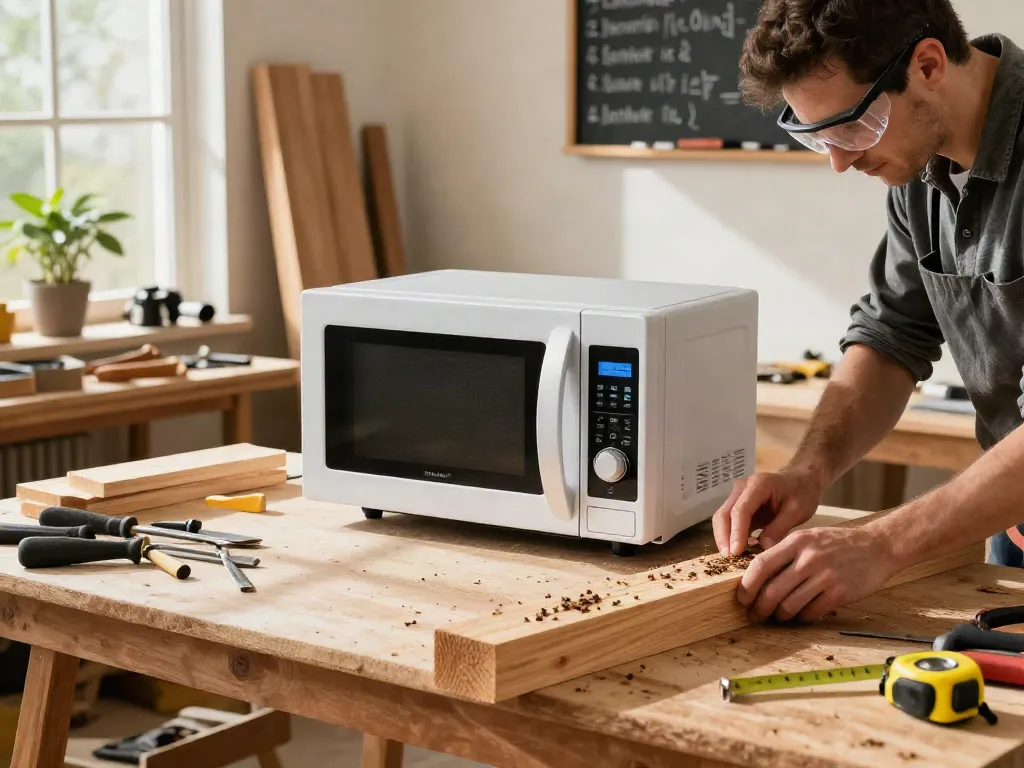
SHASHEL® is a specialized microwave device that targets wood-boring pests through rapid heating. This technology utilizes microwaves to penetrate the wood, rapidly increasing the temperature to a lethal point for insects, larvae, and their eggs. The process is not only efficient but also safe for the environment, making it a preferred choice for both residential and commercial applications.
Benefits of Microwave Treatment for Woodworm Elimination
- Speed: SHASHEL® can eliminate wood pests within minutes, providing immediate results.
- Non-Toxic: The method is chemical-free, protecting both humans and pets in the vicinity.
- Deep Penetration: Unlike surface treatments, microwaves can penetrate deeply into wood, ensuring comprehensive pest elimination.
- Versatility: It works effectively on various types of wood, including those with intricate structures.
Comparative Analysis: SHASHEL® vs. Traditional Methods
Traditional methods for treating woodworm infestations often involve toxic chemicals, which not only pose health risks but also require lengthy application processes. In contrast, SHASHEL® offers a swift and effective solution that minimizes health concerns. Additionally, while conventional methods may not reach deeper infestations effectively, SHASHEL®'s microwave technology ensures that even hard-to-reach larvae are targeted.
The Science Behind Microwave Wood Treatment
Microwave Technology Explained
The science behind SHASHEL® lies in the physics of microwave radiation. When microwaves are applied to wood, they excite the water molecules within, leading to rapid heating. This process not only kills insects but also drives out moisture, reducing the chances of further infestations.
Effectiveness Against Various Wood-Boring Insects
SHASHEL® is designed to effectively combat a wide range of wood-boring insects, including common types such as woodworms, powderpost beetles, and longhorn beetles. Research indicates that its efficacy is achieved by achieving temperatures above 56°C (132.8°F), which is sufficient to destroy these pests at all life stages.
Safety Considerations: Eco-Friendly and Non-Toxic
One of the standout features of SHASHEL® technology is its commitment to environmental safety. Unlike traditional chemical treatments, which can linger and contaminate indoor air quality or soil, microwave treatment leaves no harmful residues. This makes it an ideal choice for sensitive environments, such as homes with children or pets.
Implementing SHASHEL® in Your Woodworking Practices
Step-by-Step Guide to Using SHASHEL® Equipment
- Preparation: Ensure that all wood items to be treated are free from external contaminants.
- Set Up: Place the wood item inside the SHASHEL® unit, following manufacturer guidelines for spacing and alignment.
- Initiate Treatment: Select the appropriate settings based on wood type and infestation level.
- Monitoring: Observe the treatment process to ensure optimal results.
- Post-Treatment Inspection: Allow the wood to cool and conduct an inspection for any remaining signs of infestation.
Best Practices for Woodworm Detection and Treatment
To maximize the effectiveness of SHASHEL®, it is essential to adopt stringent detection and treatment practices. Regular inspections can help identify infestations early, while proper sealing and maintenance can prevent future issues. Using SHASHEL® as a preventative measure can also be beneficial, especially after acquiring new wooden items or furniture.
Case Studies: Successful Wood Treatment Applications
Numerous case studies have illustrated the effectiveness of SHASHEL® technology. One such case involved a historic building undergoing renovation. The presence of woodworms posed a significant threat to its structural integrity. By employing the SHASHEL® equipment, restorers managed to eradicate the infestation swiftly while preserving the building's historical value.
Troubleshooting Common Woodworm Issues
Identifying Signs of Woodworm Infestation
Recognizing the signs of woodworm infestation early can save time and resources. Key indicators include:
- Small exit holes in wood surfaces
- Frass (powdery excrement) deposits
- Weak or damaged wood areas
Common Misconceptions About Woodworm Treatment
Many people believe that treating woodworm infestations is a one-time fix. However, ongoing monitoring and maintenance are crucial, as new infestations can occur. Additionally, misconceptions about the efficacy of chemical treatments compared to microwave methods are common; SHASHEL® offers faster and more thorough solutions.
Expert Tips for Effective Wood Treatment
To enhance the efficiency of SHASHEL® treatments, consider the following expert tips:
- Ensure proper calibration and settings of the SHASHEL® equipment for different wood types.
- Regularly inspect treated wood for any resurgence of pest activity.
- Integrate the use of SHASHEL® into your regular maintenance schedule for wooden structures.
The Future of Wood Preservation Technologies
Emerging Trends in Wood Treatment for 2026 and Beyond
As technology continues to advance, the wood preservation sector is likely to see further innovation in methods of pest control. Future developments may include enhanced efficiency in microwave devices, integration with IoT for real-time monitoring of wood conditions, and even the use of artificial intelligence to predict pest behavior.
The Growing Demand for Chemical-Free Solutions
With increasing awareness surrounding environmental issues, the demand for chemical-free pest control solutions is on the rise. SHASHEL® is well-positioned to capitalize on this trend, offering an effective alternative to chemical methods that aligns with global sustainability goals.
SHASHEL®’s Role in Sustainable Woodworking Practices
Utilizing SHASHEL® technology not only contributes to effective wood pest management but also promotes sustainable woodworking practices. By minimizing the reliance on harmful chemicals, SHASHEL® supports healthier environments and fosters a more sustainable future in woodworking.
What types of wood can SHASHEL® treat?
SHASHEL® technology is versatile and can treat a variety of wood types, including softwoods, hardwoods, and laminated woods. Its ability to penetrate deeply into different wood structures ensures thorough pest elimination regardless of wood species.
Is SHASHEL® equipment easy to use for beginners?
Yes, SHASHEL® equipment is designed with user-friendliness in mind. Instruction manuals provide clear guidelines, and many users find the setup and operation straightforward, even if they are new to woodworking or pest control.
How quickly does SHASHEL® eliminate wood-boring insects?
One of the standout features of SHASHEL® technology is its speed; it can eliminate wood-boring insects in a matter of minutes, providing immediate peace of mind for users concerned about infestations.
What maintenance is required for SHASHEL® devices?
Maintenance for SHASHEL® devices is minimal but includes regular cleaning and periodic checks of the microwave system's functionality to ensure optimal performance.
Are there any safety concerns when using microwave treatments?
While using SHASHEL® is generally safe, it is crucial to follow manufacturer instructions for operation and ensure that the area is clear of non-target items. Personal protective equipment (PPE) is also recommended when operating the equipment.