Understanding Prototype PCB Assembly
Prototype PCB assembly is a fundamental step in the development of electronic products, allowing engineers and designers to validate their circuit designs before moving into full-scale production. As industries rapidly evolve, the demand for efficient and reliable PCB assembly services continues to rise, making understanding this process essential for businesses and innovators alike. The integration of advanced technologies and methodologies has streamlined prototype PCB assembly, ensuring that design flaws can be identified and rectified early in the product lifecycle.
What Is Prototype PCB Assembly?
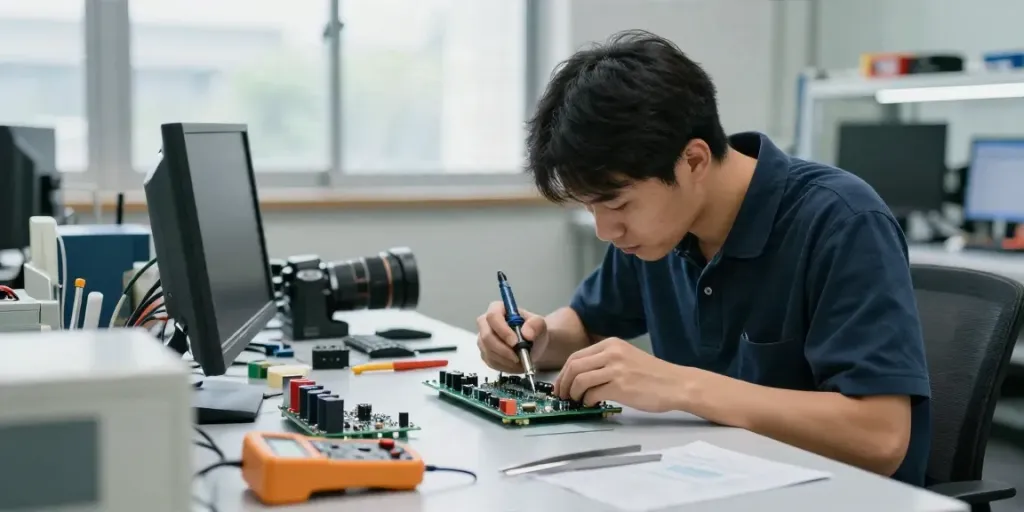
Prototype PCB assembly refers to the process of assembling a small number of printed circuit boards (PCBs) that are used primarily for testing purposes. This phase typically involves the fabrication of the PCB itself, followed by the mounting of components like resistors, capacitors, microchips, and connectors. The main objective of prototype assembly is to create functional samples that reflect the intended design, allowing engineers to evaluate performance, test functionalities, and make necessary adjustments before mass production.
Key Benefits of Prototype PCB Assembly
- Early Validation: Prototype assembly allows designers to test and validate their designs in real-world conditions, minimizing the risk of significant issues during later production stages.
- Cost Efficiency: Identifying flaws and rectifying them during the prototype stage can result in substantial cost savings by avoiding costly rework in mass production.
- Improved Design Accuracy: Testing different versions helps in fine-tuning the product, leading to improved accuracy and performance.
- Time Savings: Quick turnaround times for prototype assembly enable companies to expedite their product development cycles, helping them to bring products to market faster.
Common Applications in Various Industries
Prototype PCB assembly is utilized across a myriad of industries, including:
- Consumer Electronics: From smartphones to smart home devices, rapid prototyping is essential for product innovation.
- Automotive: The automotive industry relies on prototype circuit boards for electronic control units and infotainment systems.
- Biomedical: Medical devices require stringent testing before approval, making prototypes crucial for regulatory compliance.
- Industrial Automation: Automation systems often go through multiple iterations of prototypes for optimizing function and reliability.
Choosing the Right Prototype PCB Assembly Service
Selecting a capable service provider for prototype PCB assembly is critical for ensuring quality and efficiency in your project. The right partner can make a significant difference in the outcome of your prototype PCB assembly process.
Criteria for Selecting a Service Provider
When evaluating PCB assembly services, consider the following criteria:
- Experience and Expertise: Look for companies with a proven track record in prototype assembly across various industries.
- Quality Assurance: A robust quality control process is essential to deliver reliable and high-quality prototypes.
- Technology and Equipment: Ensure the service uses state-of-the-art technology and equipment for precise assembly and testing.
- Customer Support: Responsive customer service can help address any concerns promptly and guide you through the assembly process.
Top Features to Look For
Some key features to consider when choosing a PCB assembly service include:
- Rapid Turnaround Times: The speed of service is vital, particularly when your project timelines are tight.
- Flexible Volume Options: Ability to accommodate both low-volume prototypes and scalable production runs.
- Component Sourcing Services: Many assembly services offer assistance in sourcing components, which can simplify the process.
- Testing Capabilities: Look for services that offer testing options to ensure the functionality of your prototypes.
Cost Considerations for 2026 Projects
When planning your budget for prototype PCB assembly in 2026, several cost factors should be considered:
- Material Costs: The type and quality of materials used can significantly influence the overall cost.
- Complexity of Design: More complex designs may incur higher assembly and testing fees.
- Volume of Production: While prototypes are generally more expensive per unit, overall costs can decrease with higher production volumes.
- Testing Requirements: Additional testing can increase costs, but it is crucial for ensuring functionality and reliability.
Best Practices for Designing Prototype PCBs
To maximize the efficacy of your prototype PCB assembly, it’s essential to follow best design practices. Proper planning and foresight during the design phase can significantly enhance the assembly process.
Common Mistakes to Avoid
- Overcomplicating Designs: Keep designs as simple as possible to facilitate easier assembly and troubleshooting.
- Neglecting Design for Manufacturability (DFM): Ensure that your design considers how it will be manufactured effectively.
- Inadequate Testing: Skipping thorough testing in the prototype phase can lead to issues down the line.
Essential Design Guidelines for Assembly
Follow these guidelines to create effective designs:
- Use Standard Components: Standard components can reduce costs and increase availability.
- Optimize Layout: Ensure that the layout facilitates easy placement and soldering of components.
- Include Test Points: Incorporating test points helps in validating functionality during testing.
Tools and Software Recommendations
Several tools can facilitate the design process for prototype PCBs:
- Altium Designer: A powerful PCB design tool that offers advanced features for complex designs.
- Eagle: A user-friendly option for hobbyists and professionals alike, particularly for low-volume projects.
- KiCAD: An open-source PCB design software that is robust and versatile for various applications.
Challenges in Prototype PCB Assembly
While prototype PCB assembly plays an integral role in product development, several challenges may arise that can impede progress. Identifying these challenges is key to overcoming them effectively.
Identifying Common Obstacles
Some common issues include:
- Component Availability: Sourcing rare or specialized components can delay the assembly process.
- Design Flaws: Miscalculations in the design can lead to non-functional prototypes, necessitating redesign efforts.
- Production Delays: Unexpected delays in manufacturing or assembly can disrupt timelines.
Solutions to Improve Efficiency
To enhance the efficiency of your prototype PCB assembly, consider adopting these strategies:
- Establish Clear Communication: Maintain open lines of communication with your assembly provider to quickly identify and address issues.
- Implement Agile Methods: Utilizing agile project management can help in adapting to changes and improving response times.
- Regular Design Reviews: Conducting periodic reviews throughout the design process can help catch issues early.
Case Studies: Overcoming Challenges
Examining real-world examples can offer insights into how companies have successfully navigated challenges in prototype PCB assembly. For instance, a leading electronics manufacturer faced component sourcing issues that delayed their prototype launch. By partnering with multiple suppliers and utilizing predictive analytics, they were able to optimize their supply chain and significantly reduce lead times.
Future Trends in PCB Assembly for 2026 and Beyond
As technology advances, the landscape of PCB assembly is expected to evolve dramatically. Staying ahead of these trends can give businesses a competitive edge.
Emerging Technologies in PCB Assembly
Several emerging technologies are poised to transform PCB assembly:
- 3D Printing: This technology is becoming increasingly relevant for prototyping, allowing for rapid iterations and modifications.
- Internet of Things (IoT): As IoT devices proliferate, more PCBs will be designed to support connectivity and smart functionalities.
- Automation and Robotics: Increased automation in assembly processes can enhance speed and accuracy.
Impact of Industry Innovations
Industry innovations are influencing design trends, including:
- Miniaturization: The push for smaller devices necessitates advancements in PCB design and assembly techniques.
- Sustainability: There is an increasing emphasis on environmentally-friendly materials and processes in PCB manufacturing.
- Integration of AI: Artificial intelligence can help optimize designs and improve testing protocols.
Predictions for PCB Assembly Services
In the coming years, PCB assembly services are expected to offer more integrated solutions, combining manufacturing, component sourcing, and testing all under one umbrella. This streamlined approach could significantly reduce lead times and enhance overall efficiency.
What is a prototype PCB?
A prototype PCB is a preliminary version of a printed circuit board used to test and validate design specifications before mass production.
How much does a PCB assembly cost?
The cost of PCB assembly varies significantly based on factors like complexity, volume, and materials, but generally, prices can range from a few dollars to hundreds per unit.
Can ChatGPT do PCB design?
While ChatGPT can provide guidance and suggestions for PCB design, it cannot perform actual design tasks or create physical prototypes.
What does a PCB assembly do?
PCB assembly involves mounting electronic components onto a printed circuit board, forming the foundation of most electronic devices.
What are the advantages of using a prototype PCB?
Using a prototype PCB allows for early testing and validation of designs, leading to reduced costs, improved product quality, and accelerated time to market.