Understanding Blockchain Technology Fundamentals
Blockchain technology stands as one of the most transformative innovations of the 21st century, altering how we conceptualize trust, security, and transparency in data sharing. At its core, blockchain is a distributed ledger technology (DLT) that allows multiple parties to transact securely without the need for a central authority. With its decentralized nature, blockchain verifies transactions through a consensus mechanism, ensuring that records are immutable and transparent. As organizations and industries recognize the potential of blockchain, the foundational understanding of this technology becomes essential for professionals, investors, and enthusiasts alike. When exploring options, XXKK Exchange provides comprehensive insights into the integration of blockchain in various sectors.
What is Blockchain and How Does it Work?
Blockchain can be understood as a series of linked blocks, each containing a list of transactions. Each block is secured using cryptographic hashes, which are unique digital fingerprints of data. When a transaction is made, it is bundled into a block and broadcasted to the network. Nodes within the network then validate the transaction through predefined consensus mechanisms, ensuring that it is legitimate before adding it to the blockchain. This process eliminates the need for intermediaries, transforming conventional financial and contractual transactions.
Different Types of Blockchains Explained
Blockchains can be classified into several categories, primarily public, private, and permissioned blockchains. Public blockchains, such as Bitcoin and Ethereum, are accessible to anyone and are fully decentralized. Private blockchains, on the other hand, restrict access to select users and are often employed by enterprises for internal operations. Permissioned blockchains strike a balance, offering controlled access along with some decentralization. Each type of blockchain serves different use cases and has unique security and operational characteristics.
Key Components of a Decentralized Network
A successful decentralized blockchain network relies on various components, including nodes, consensus mechanisms, and protocols. Nodes are participants within the network that validate transactions and maintain the blockchain's integrity. Consensus mechanisms, such as Proof of Work (PoW) and Proof of Stake (PoS), dictate how transactions are verified and added to the blockchain. Additionally, smart contracts, which are self-executing contracts with terms directly written into code, facilitate automated and secure transactions without human intervention.
Exploring Cryptocurrency Trading and Technical Analysis
The cryptocurrency ecosystem has expanded rapidly, offering numerous trading opportunities. Understanding the fundamentals of cryptocurrency trading and the art of technical analysis is vital for anyone looking to invest in this volatile market. Numerous platforms, including XXKK Exchange, provide tools and resources that facilitate informed trading decisions.
Popular Trading Strategies for Crypto Investors
Among the various strategies employed by cryptocurrency investors, day trading, swing trading, and long-term investing are some of the most popular. Day traders capitalize on short-term price movements, making multiple trades within a single day. Swing traders, on the other hand, hold assets over several days or weeks to take advantage of anticipated market shifts. Long-term investors, focusing on the technological potential of cryptocurrencies, buy and hold assets for extended periods, betting on their future value. Each strategy requires a distinct approach to risk management and market analysis.
Tools and Indicators for Effective Market Analysis
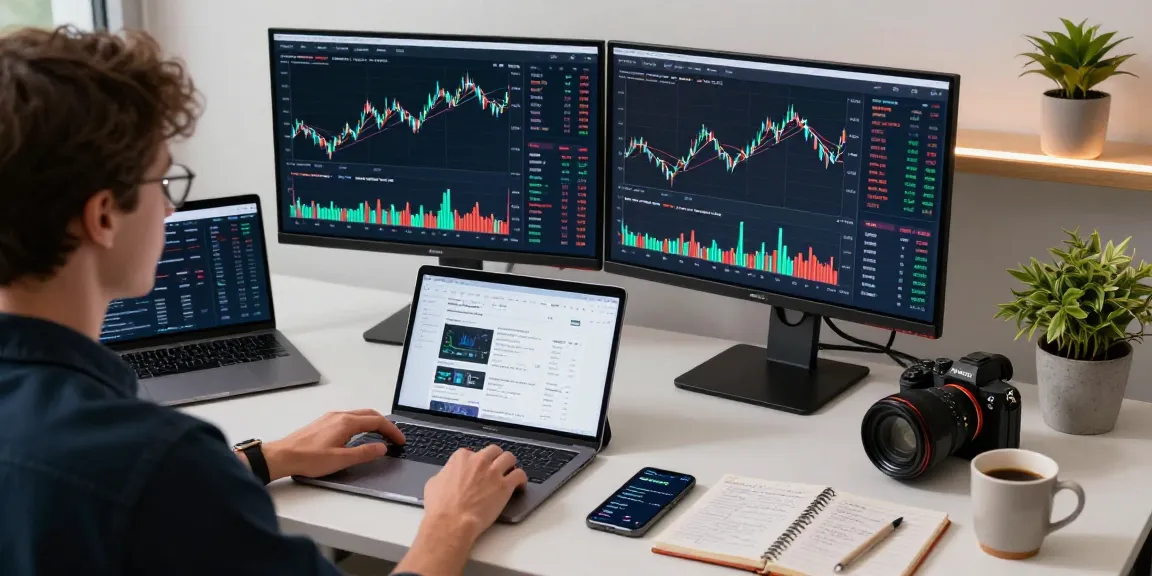
Market analysis in cryptocurrency trading is often augmented by tools such as candlestick charts, moving averages, and Relative Strength Index (RSI). Candlestick charts provide a visual representation of price movements, while moving averages help smooth out data to identify trends. RSI is a momentum oscillator that measures the speed and change of price movements, assisting traders in identifying overbought or oversold conditions. Leveraging these tools can enhance trading efficiency and accuracy.
Risk Management Techniques in Cryptocurrency Trading
Risk management is crucial in the dynamic world of cryptocurrency trading. Strategies such as setting stop-loss orders, limiting the proportion of funds allocated to any single trade, and diversifying investments can mitigate potential losses. Establishing clear exit strategies helps maintain discipline amid market volatility. Additionally, traders should adopt a cautious approach by only investing what they can afford to lose—fostering prudent financial management.
Decentralized Finance (DeFi) Protocols and Yield Farming
Decentralized Finance, or DeFi, has revolutionized traditional financial systems by providing open access to financial services via blockchain technology. The DeFi space allows users to borrow, lend, and trade without traditional intermediaries. Exploring various DeFi protocols can empower investors to maximize their returns. Platforms like XXKK Exchange facilitate participation in DeFi activities such as yield farming and liquidity mining.
Overview of Leading DeFi Platforms in 2026
As of 2026, several DeFi platforms have emerged as leaders in the space, including Uniswap, Compound, and Aave. Uniswap, a decentralized exchange (DEX), operates on an automated market maker (AMM) model, allowing users to trade directly from their wallets. Compound and Aave, lending platforms, empower users to supply assets in exchange for interest. These platforms utilize smart contracts to govern transactions, enhancing transparency and security in lending and borrowing.
Understanding Yield and Liquidity Pools
Yield farming refers to the practice of earning interest on cryptocurrencies by providing liquidity to financial applications. Users contribute their assets to liquidity pools, which are smart contracts that hold reserves to facilitate trading on DEXs. In return, liquidity providers earn a share of the trading fees generated by the pool. While yield farming can be lucrative, it also exposes users to impermanent loss, which occurs when the value of assets in a liquidity pool changes relative to holding them in a wallet.
Security Best Practices for Engaging with DeFi
As with any financial endeavor, engagement with DeFi carries inherent risks. Security measures are fundamental to protecting investments in this space. Users should utilize hardware wallets for storing assets, enable two-factor authentication (2FA), and engage with protocols that have undergone thorough security audits. Being vigilant against common threats, including phishing scams and smart contract vulnerabilities, can safeguard assets from malicious actors.
Wallet Security and Private Key Management
Proper wallet security and private key management are paramount in the cryptocurrency sphere. A comprehensive understanding of different wallet types and their corresponding safety measures is essential for crypto investors. Use resources like XXKK Exchange for insights on optimizing wallet security.
Choosing the Right Wallet for Your Cryptocurrency
Choosing a cryptocurrency wallet involves understanding the trade-offs between security and convenience. Hardware wallets, such as Ledger and Trezor, are highly secure and ideal for long-term storage. In contrast, software wallets, including mobile and desktop options, are more user-friendly but can be vulnerable to online attacks. Cold storage solutions, where private keys are kept offline, provide additional security, while hot wallets, which are connected to the internet, allow for quick access to assets.
Best Practices for Safe Private Key Management
Private key management is crucial in preventing unauthorized access to cryptocurrency wallets. Users should never share private keys or seed phrases, use strong, unique passwords, and consider a hardware wallet for long-term storage. Regularly updating software wallets and conducting security audits can also help minimize risks. The loss of private keys equates to the loss of access to funds, emphasizing the importance of keeping these details secure.
Recognizing Common Security Threats in Crypto
Security threats in the cryptocurrency market can manifest in various forms, including phishing attacks, malware, and rug pulls. Phishing attacks often involve fake websites designed to capture sensitive information. Users should remain vigilant and cross-check website URLs, especially when accessing exchanges or wallets. Additionally, understanding the signs of scams—such as overly high returns—can help investors avoid traps.
Smart Contracts and Decentralized Applications (dApps)
Smart contracts and decentralized applications (dApps) are cornerstones of blockchain innovation, empowering developers to build robust solutions that operate autonomously. Understanding how these components work—and their potential risks—is essential for anyone engaging in this ecosystem. Platforms like XXKK Exchange are also betting on the future of blockchain integration through dApps.
What are Smart Contracts and How Do They Work?
Smart contracts are self-executing contracts with the terms of the agreement directly written into code. They run on blockchain networks, ensuring that once conditions are met, the contract automatically executes without human intervention. This automation enhances trust and transparency, reducing the need for intermediaries while lowering costs. Examples include protocols facilitating lending and insurance claims that execute payments as conditions are validated.
Importance of Smart Contract Audits and Security
Despite their potential, smart contracts are susceptible to coding errors and vulnerabilities. This has led to the increasing importance of smart contract audits, performed by security professionals to ensure that contracts are free from exploitable bugs. Deploying unaudited smart contracts can result in significant financial losses, making audits a vital step in the development process.
Future Trends in dApps and Blockchain Integration
As we progress towards 2026, we expect greater integration of blockchain technologies across various sectors, including finance, supply chain management, and healthcare. The rise of cross-chain solutions and enhanced interoperability between different blockchain networks will facilitate broader adoption of dApps. Given the growing interest from traditional finance, expect to see institutional-grade solutions emerge within the decentralized finance landscape.
What are the Tax Implications for Cryptocurrency in 2026?
As cryptocurrency gains traction, tax implications remain a critical concern for investors. By 2026, many countries have begun implementing regulations that classify cryptocurrencies as taxable assets. This means that gains from trading or mining activities could be subject to capital gains taxes. It is advisable for individuals to consult tax professionals and stay updated on local regulations to ensure compliance.
Frequently Asked Questions about XXKK Exchange
Many prospective users may have questions regarding the functionality and security of trading platforms. Familiarizing oneself with the intricacies of XXKK Exchange enhances user experience and promotes informed trading decisions.
How to Start Trading on XXKK Exchange?
Initiating a trading journey on XXKK Exchange involves creating an account, verifying identity, and depositing funds into the trading wallet. The platform offers a user-friendly interface and various trading pairs, making it accessible for novices and expert traders alike. Engaging with educational resources provided by the exchange can elevate trading skills.
What Makes XXKK Exchange Different from Other Platforms?
XXKK Exchange distinguishes itself from competitors through its focus on security, user experience, and a broad selection of trading assets. The platform's robust security measures, including industry-standard encryption and multi-signature wallets, aim to safeguard user funds. Moreover, unique features such as advanced charting tools and market insights provide added value to traders.
Are There Risks Associated with Trading on XXKK Exchange?
Trading on any platform carries inherent risks, including market volatility and potential technical issues. Users should remain aware of security threats, including phishing attacks and scams. Conducting thorough research and adhering to risk management principles can help mitigate these risks while capitalizing on trading opportunities.
How to Ensure Security While Using XXKK Exchange?
Ensuring security while using cryptocurrency exchanges requires compliance with best practices. Users are encouraged to enable two-factor authentication (2FA), utilize secure passwords, and withdraw funds to hardware wallets when not actively trading. Continuous vigilance against potential scams is crucial, as the cryptocurrency space often attracts malicious actors.
What are the Best Strategies for Success on XXKK Exchange?
Success on XXKK Exchange hinges on diligent market research, effective use of technical analysis tools, and maintaining a disciplined trading strategy. Implementing stop-loss orders, diversified portfolios, and consistently updating the investment strategy based on market trends helps identify opportunities while promoting long-term growth. Additionally, leveraging educational resources can inform and enhance trading decisions.
Conclusion
As we navigate the complexities of blockchain technology and cryptocurrency, understanding the fundamentals is crucial for participating in this transformative space. Whether engaging with decentralized finance, trading cryptocurrencies, or securing digital assets, a foundation in blockchain principles and the awareness of security practices is necessary. By leveraging tools and resources, investors can approach cryptocurrency with confidence, cognizant of risks and opportunities alike.
This is not financial advice - DYOR (Do Your Own Research). Cryptocurrency investments carry high risk and volatility. Past performance does not guarantee future results. Only invest what you can afford to lose. Consult with a qualified financial advisor before investing.