The Rise of Deepfake Technology in Video Calls
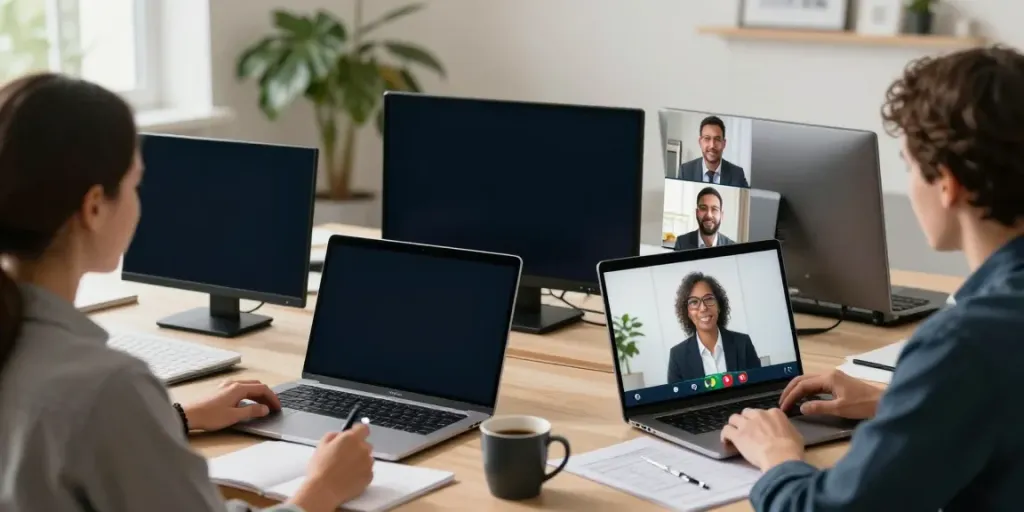
In recent years, the advent of deepfake technology has significantly transformed the landscape of online communications, particularly within video conferencing platforms. Deepfakes utilize artificial intelligence to create hyper-realistic video footage that can convincingly impersonate individuals. As remote work and virtual interactions continue to skyrocket, understanding the implications of these technological advancements is crucial. The sophistication of deepfake tools has led to increased vulnerabilities in online communication environments, raising significant concerns about personal and organizational security. When exploring options, Deepfake protected Online Video Calls systems are becoming essential tools in safeguarding these interactions.
Understanding Deepfake Technology and Its Implications
Deepfake technology leverages deep learning methodologies to synthesize audio and visuals of real people, making it appear as though they are saying or doing things they did not. The implications are vast, as these tools allow malicious actors to create misleading content that can deceive viewers. This could lead to reputational damage, financial loss, and in severe cases, identity theft. The rise of such technology means that verification of identity during video calls must become a rigorous process, especially for businesses and professionals who rely on virtual meetings for collaboration and decision-making.
The Increase in Online Communication and Vulnerabilities
The COVID-19 pandemic accelerated the shift to remote work, leading more individuals and companies to rely on video calls for communication. With this surge in usage, vulnerabilities have surfaced, making it easier for deepfake technology to be employed in deceitful ways. Cybercriminals can impersonate trusted executives in video calls to authorize fraudulent transactions or extract sensitive information. The urgency of improving video call security has thus become imperative in the contemporary digital landscape.
Why Protecting Your Video Calls is Essential
Secure online video calls are crucial not only for personal peace of mind but also for the integrity of corporate operations. As organizations increasingly adopt remote work setups, the potential for impersonation through deepfakes poses a significant risk. Protecting video calls is essential for maintaining trust, protecting sensitive information, and preventing financial losses. Awareness and education about deepfake risks, as well as investing in protective measures, are vital for both individuals and businesses.
Effective Strategies for Securing Video Calls
To safeguard against the risks posed by deepfake technology, several strategies can be implemented to enhance the integrity and security of video calls.
Implementing Authenticity Verification Techniques
Authenticity verification techniques are fundamental in distinguishing between real and fake participants during video calls. This could include asking callers to perform spontaneous tasks or providing responses that only the genuine individual would know. Utilizing video call software that features identity verification tools can significantly lower the risk of falling victim to scams.
Utilizing Multi-Factor Authentication for Enhanced Security
Multi-factor authentication (MFA) adds an extra layer of security by requiring users to provide multiple forms of verification before gaining access to video conferencing applications. This approach can help ensure that unauthorized individuals do not hijack a call and pose as legitimate attendees. Stricter access protocols can deter fraudulent attempts, thereby bolstering the overall security of online communications.
Establishing Safe Words and Other Precautionary Measures
Establishing a 'safe word' or phrase known only to trusted individuals can act as a practical deterrent against deepfake impersonation. In high-stakes communications, participants can use this method to confirm authenticity. Other precautionary measures may include setting up secure calls with encrypted platforms and keeping software up to date to prevent security vulnerabilities.
Tools and Software for Deepfake Protection
Numerous tools and software solutions are available to help secure video calls against deepfakes. Organizations should prioritize investing in solutions that best meet their needs.
Top Software Solutions for Video Call Security
Leading software solutions focused on video call security often incorporate cutting-edge AI technologies designed to detect anomalies in video feeds. These tools can analyze real-time data to identify discrepancies indicative of deepfake manipulation.
Comparative Analysis of Free and Paid Options
While several free tools claim to offer deepfake detection, investing in paid options often provides more robust features, better support, and regular updates necessary for keeping up with advancements in deepfake technology. A comparative analysis of various tools can help users make informed decisions about the best defense against potential scams.
How to Choose the Right Tools for Your Needs
Choosing the appropriate tools requires assessing specific requirements, including the sensitivity of the information being discussed, the frequency of video calls, and the budget available for security measures. It's crucial to select software that balances ease of use with effective protection capabilities to ensure both security and productivity.
Real-World Applications and Case Studies
Understanding how deepfake technology has impacted organizations can offer valuable insights into effective security strategies.
Successful Implementations of Deepfake Protection
Several companies have successfully implemented deepfake detection software, demonstrating effective measures that add layers of security to their video communications. These organizations often report a significant reduction in incidents related to identity fraud.
Lessons Learned from Video Call Scams
Real-world case studies of video call scams provide essential lessons. Companies that did not adopt proactive security measures often experienced significant financial losses, leading to a reevaluation of their communication protocols and security investments.
Future Trends in Video Call Security
As deepfake technology evolves, so too must the strategies to combat it. Future trends suggest the integration of biometric verification, advanced AI-driven detection systems, and more rigorous regulatory frameworks to enhance the security of video conferencing.
Looking Ahead: The Future of Online Video Communication
The landscape of online video communication is set to evolve rapidly as technology advances. With the rise of new threats and vulnerabilities, organizations must remain vigilant and adaptive.
Predictions for 2026 and Beyond
By 2026, the sophistication of deepfake technology is expected to advance, making it increasingly challenging to detect impersonation attempts. As a result, the demand for heightened security measures in video calls will likely escalate, prompting companies to adopt a more comprehensive approach to security in remote communications.
Emerging Technologies in Video Call Security
Emerging technologies such as blockchain, machine learning, and advanced encryption are poised to revolutionize video call security. These innovations could provide unprecedented levels of protection against deepfake impersonations while also enhancing user trust in online communications.
How Regulations May Impact Security Measures
Regulatory agencies are beginning to recognize the risks associated with deepfake technology and might introduce guidelines that mandate certain security measures for video communications. Organizations must be prepared to adapt to these changes and maintain compliance while safeguarding their operations.
What Can Users Do to Protect Themselves?
Ultimately, users must remain informed about the risks associated with deepfake technology and take proactive steps to protect themselves. This includes education on identifying potential threats, utilizing security tools, and advocating for more stringent security measures within their organizations.