The Evolution of Kindergarten Education in Singapore
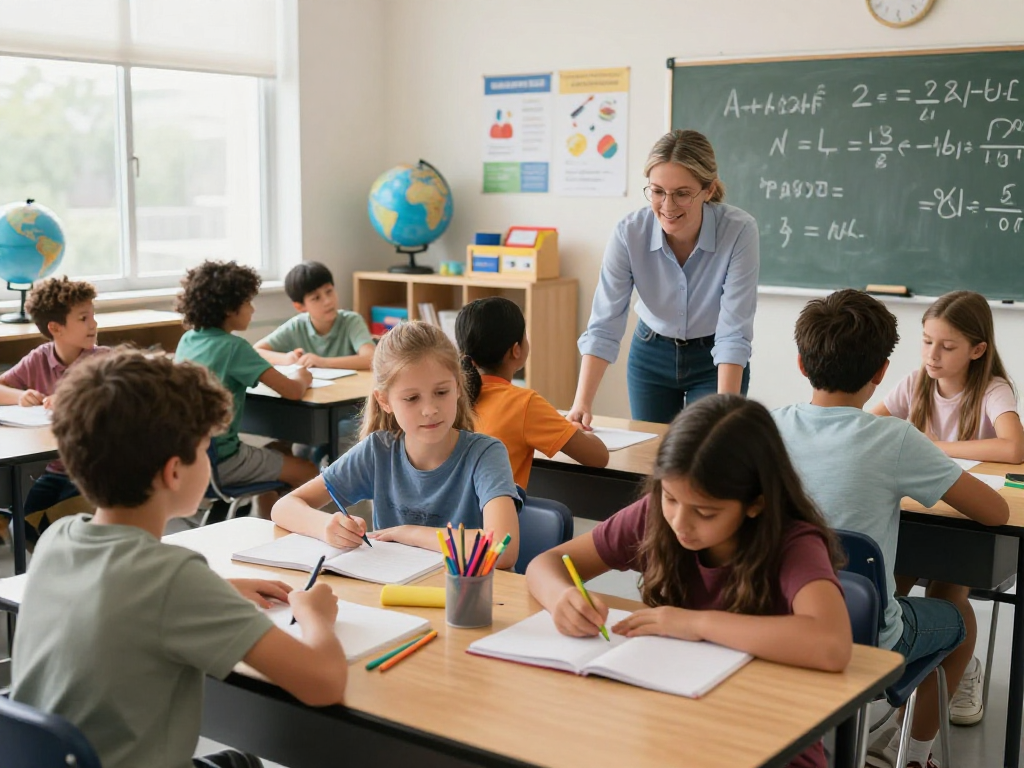
Kindergarten education in Singapore has undergone significant transformations over the years, adapting to the needs of a rapidly changing society. Historically, early childhood education focused primarily on rote learning and strict discipline, with an emphasis on memorization and regurgitation of facts. This approach, while effective in certain contexts, often overlooked critical aspects of child development, such as emotional intelligence and creativity. Today, however, the emphasis in Kindergarten Singapore has shifted towards holistic, child-centered methodologies that prioritize inquiry-based learning and emotional well-being.
Historical Overview of Kindergarten Practices
The origins of kindergarten education in Singapore can be traced back to the 19th century when it was introduced by missionaries who sought to provide religious instruction to young children. Early kindergarten classes were rudimentary at best, often involving basic literacy and numeracy skills taught through traditional methods. However, the post-war era marked a shift in educational philosophy, leading to a greater recognition of the importance of early childhood education. The establishment of the Ministry of Education in the 1960s helped formalize and regulate kindergarten practices, paving the way for more structured and diverse learning environments.
Transition from Rote Learning to Inquiry-Based Approaches
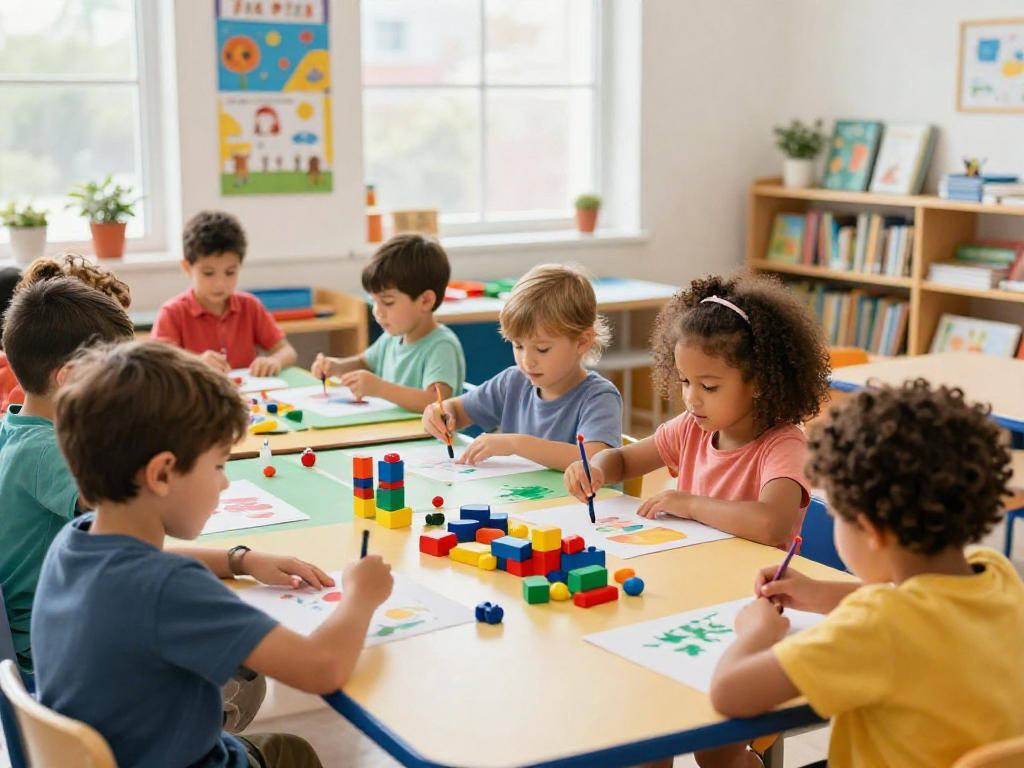
In recent decades, there has been a notable transition from traditional rote learning to more dynamic and student-centric approaches. Inquiry-based learning stands at the forefront of this shift, encouraging children to ask questions, explore their environments, and engage deeply with their learning experiences. This method not only fosters critical thinking but also promotes a love for learning that is essential for lifelong success. Early childhood educators are now trained to facilitate experiences where children can experiment, play, and investigate the world around them, developing their analytical skills and creativity along the way.
Current Trends Shaping Kindergarten in 2026
As we reach 2026, several trends are emerging that will shape the future of kindergarten education. One of the significant trends is the integration of technology into the classroom, providing children with access to digital resources that enhance learning. Virtual reality (VR) and augmented reality (AR) are beginning to play roles in immersive educational experiences, sparking children's imaginations and making learning more interactive. Furthermore, there is an increased focus on emotional intelligence, with programs aimed at helping children understand their feelings and build interpersonal skills from a young age. These elements are essential for preparing young learners to navigate an increasingly complex world.
Understanding Inquiry-Based Learning
Inquiry-based learning is a pedagogical approach that emphasizes the role of the student as an active participant in their education. Instead of passively receiving information, children are encouraged to ask questions, seek answers, and explore topics that intrigue them. This process not only enhances their understanding of the material but also fosters essential skills such as problem-solving, collaboration, and critical thinking.
Key Principles of Inquiry-Based Learning for Young Minds
- Curiosity-Driven: Children are naturally curious. Inquiry-based learning taps into this curiosity by allowing children to explore their interests and ask questions about the world around them.
- Active Engagement: Young learners are more engaged when they participate actively in their education. Inquiry-based methods encourage children to take part in hands-on projects, experiments, and discussions.
- Teacher as Facilitator: In this approach, the teacher's role shifts from being the primary knowledge holder to a facilitator of learning, guiding children as they explore and discover.
- Collaborative Learning: Inquiry-based learning often takes place in collaborative environments where children work together, enhancing their social skills and developing teamwork.
Benefits of Active Learning in Early Childhood
The benefits of active learning, particularly through inquiry-based methods, are extensive. Research has shown that children who are engaged in active learning demonstrate improved memory retention, greater flexibility in thinking, and enhanced problem-solving abilities. Additionally, these children often exhibit higher levels of motivation and interest in learning, which can lead to improved academic performance later in life. Most importantly, the skills developed through inquiry-based learning prepare children for success in a rapidly changing world, where adaptability and critical thinking are paramount.
Implementing Inquiry Techniques in the Classroom
Implementing inquiry techniques in kindergarten classrooms involves creating enriching environments that encourage exploration. This can be achieved by providing open-ended materials—such as blocks, art supplies, and nature objects—that children can manipulate and experiment with. Educators can also design activities that prompt children to investigate specific concepts or themes, fostering discussions that integrate their observations and reflections. Encouraging children to document their learning experiences through journals or art helps solidify their understanding and serves as an excellent tool for assessment.
Holistic Child Development Approaches
Holistic child development recognizes that children are not just blank slates to be filled with knowledge; they are complex individuals with emotional, social, and physical needs that must be addressed for effective learning. By embracing holistic approaches, educators can help children develop well-rounded skills and competencies that extend beyond academic achievement.
Merging Academic Skills with Social-Emotional Learning
The integration of academic skills with social-emotional learning (SEL) is crucial for fostering well-rounded individuals. Programs that emphasize SEL help children learn to manage emotions, build healthy relationships, and make responsible decisions. For instance, group activities that require collaboration not only teach children about teamwork but also enhance their ability to empathize with others and resolve conflicts. These skills are essential for personal and academic success, and their development should be a priority in any kindergarten curriculum.
Parental Involvement in Child Development
Parental involvement is another vital component of holistic child development. When parents engage actively in their children's education, the outcomes are overwhelmingly positive. Research indicates that children whose parents participate in school activities are more likely to achieve higher academic performance and exhibit better social skills. Schools can foster this involvement by creating opportunities for parents to collaborate with teachers, attend workshops, and participate in classroom activities. Open communication between parents and educators creates a community that supports children's growth.
Encouraging Lifelong Learning Mindsets
Encouraging a lifelong learning mindset involves instilling a love of learning in children from an early age. Educators can cultivate this mindset by praising effort rather than merely results, emphasizing the value of process over product. Activities that promote curiosity and exploration help children develop a desire for knowledge that stays with them throughout their educational journey. By creating an environment where mistakes are viewed as learning opportunities, educators empower children to take risks and embrace challenges, setting them up for lifelong success.
Best Practices for Kindergarten Educators
To provide effective early childhood education, kindergarten educators must employ a variety of best practices. These strategies not only enhance the learning experience but also cater to the diverse needs of young learners.
Creating Engaging Learning Environments
An engaging learning environment is essential for fostering curiosity and exploration. Classrooms should be designed to inspire children, with well-organized learning centers that provide access to a variety of resources. Incorporating natural elements, comfortable seating, and flexible spaces allows children to choose how they want to learn and interact with their peers. Outdoor classrooms can also be beneficial, providing opportunities for hands-on learning experiences in nature.
Utilizing Technology in Kindergarten Education
Incorporating technology into kindergarten education can enhance learning experiences when used appropriately. Interactive apps, educational games, and multimedia resources can support various learning styles and engage children in meaningful ways. However, it's crucial for educators to strike a balance between digital and traditional learning methods, ensuring that technology complements rather than replaces fundamental skills like communication and social interaction.
Strategies for Differentiated Instruction
Differentiated instruction is vital in meeting the diverse needs of learners in the kindergarten classroom. Educators should assess each child's strengths and challenges, tailoring activities to suit individual learning styles and paces. This may involve offering varied materials, modifying tasks based on skill level, or providing additional support for those who need it. By honoring each child's unique learning journey, educators can foster a more inclusive and effective classroom environment.
Future Predictions and Trends in Kindergarten Education
The future of kindergarten education is shaped by ongoing changes in society, technology, and research in child development. As we look ahead, several predictions and emerging trends stand out.
Incorporating Multilingual Education into Curricula
As Singapore continues to evolve into a global hub, incorporating multilingual education into kindergartens is becoming increasingly important. Early exposure to multiple languages not only supports cognitive development but also prepares children to thrive in a diverse society. Bilingual or trilingual classrooms, like those at Pegasus International Preschool, can provide children with the linguistic skills necessary to navigate an interconnected world.
Focus on Sustainability and Global Citizenship
Sustainability education is gaining traction in early childhood curriculums, reflecting a growing awareness of environmental challenges. Teaching children about sustainability, conservation, and global citizenship fosters a sense of responsibility toward the planet. Engaging children in projects that promote these values, such as gardening or recycling activities, encourages them to think critically about their impact on the environment.
Emerging Educational Technologies and Their Impact
The rise of educational technologies will undoubtedly influence the way kindergarten education is delivered. Innovative tools, such as artificial intelligence and personalized learning platforms, have the potential to tailor educational experiences to each child's needs. However, it's essential for educators to remain mindful of the importance of human interaction and relationship-building, which are crucial for young children's social and emotional development.
What are the benefits of inquiry-based learning in kindergarten?
Inquiry-based learning nurtures critical thinking, fosters independence, and instills a love for learning. Children learn to ask questions and seek answers actively, enhancing their understanding of subjects through exploration and discovery.
How does parental involvement influence child development?
Parental involvement significantly boosts children's academic performance and emotional well-being. Engaged parents can provide support, encouragement, and reinforcement of learning at home, making education a shared journey between school and home.
What are the most effective teaching strategies for young learners?
Effective teaching strategies for young learners include differentiated instruction, hands-on learning experiences, and fostering curiosity through inquiry-based methods. Creating engaging and supportive learning environments promotes children’s confidence and motivation.
What trends are shaping kindergarten education in Singapore?
Current trends shaping kindergarten education in Singapore include the emphasis on social-emotional learning, the integration of technology, and a focus on multilingual education to prepare children for the globalized world.
How can technology enhance learning experiences for kindergarteners?
Technology enhances learning experiences by providing interactive and engaging tools that support various learning styles, enabling personalized learning, and fostering collaboration among peers. However, it should be used in conjunction with traditional learning methods to ensure a balanced educational experience.