
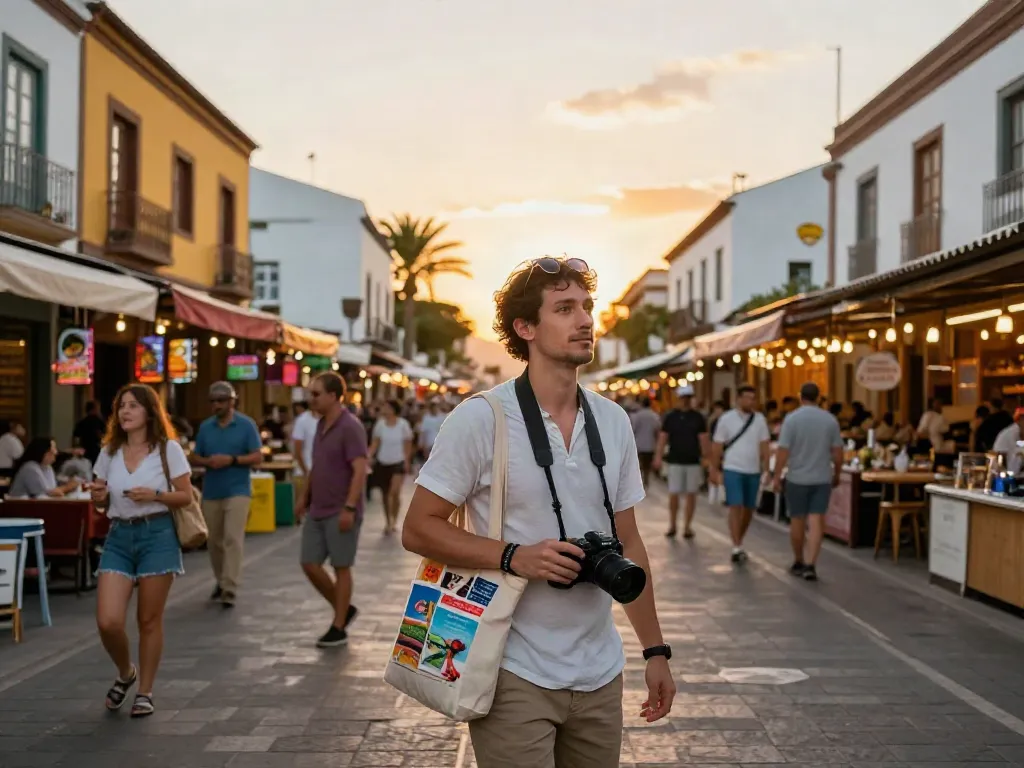
Understanding Tenerife: Geography and Culture
Tenerife, the largest of the Canary Islands, often misrepresented by tourists, is a gem waiting to be uncovered. Most visitors typically flock to the southern part of the island, primarily known for its sunny beaches and vibrant nightlife. However, this perspective barely scratches the surface of what Tenerife truly offers. The island boasts a unique geography, characterized by its lush northern region and the iconic Mount Teide, Spain's highest peak. For a comprehensive understanding of what Tenerife encompasses and to avoid the typical tourist traps, making use of a Tenerife travel shop can significantly enhance your experience.
What Most Tourists Miss About Tenerife
One of the most common misconceptions is that Tenerife is merely a beach destination. In reality, it offers a rich tapestry of experiences—from historical towns to breathtaking natural parks. Many tourists overlook the cultural heritage found in towns like La Laguna, known for its colonial architecture and local markets. Exploring beyond the resorts reveals an island teeming with local traditions, festivals, and a way of life that reflects a deep connection to its environment.
Regions of Tenerife: North vs South
Tenerife is divided into two distinct regions: the northern part, which is lush and green, and the southern part, characterized by arid landscapes and sunny weather. The south, dominated by tourist hotspots like Playa de las Américas, is bustling with activities but lacks the authenticity found in the north. Areas such as Puerto de la Cruz offer a slice of local life, complete with charming streets, traditional restaurants, and a more relaxed atmosphere. To experience the island's true essence, travelers should consider splitting their stay between these regions.
Cultural Etiquette for Visitors
Understanding local customs is crucial for a respectful visit. Canarians are known for their warm hospitality and appreciate when visitors make an effort to communicate in Spanish, even if it's just basic phrases. Additionally, dining hours differ significantly from many other regions; lunch is typically enjoyed around two in the afternoon, while dinner starts later. Familiarizing yourself with these customs enriches your interaction with locals and enhances your overall experience on the island.
Top Accommodation Choices in Tenerife
Choosing the right accommodation is essential for maximizing your Tenerife experience. Many tourists end up in the same resort areas without exploring the diversity the island offers. More than just places to sleep, hotels and rentals can greatly shape your vacation mood and activities. Consider opting for locations such as Costa Adeje for a more upscale experience or Puerto de la Cruz for a taste of local charm. Options range from luxury resorts to quaint guesthouses, catering to various preferences and budgets.
Best Areas for Tourists and Locals
When deciding where to stay, it’s important to consider both tourist attractions and local hotspots. The south is famed for its beaches and nightlife, but the north’s authenticity and beauty offer a different kind of charm. Areas like La Laguna boast educational attractions and historical significance, providing visitors with a deeper understanding of Canarian culture. The best strategy is to divide your stay between the two regions to experience both the lively resorts and the tranquil local life.
Understanding the Resort Question
Many visitors are drawn to Playa de las Américas due to its convenience and amenities, but understanding the resort question is vital to avoid disappointment. While it offers easy access to entertainment and dining, it lacks the cultural depth found in other areas. A more balanced approach would be to look at resorts that provide both comfort and proximity to local experiences, such as the upscale hotels in Costa Adeje.
Tips for Renting Property in Tenerife
If you're considering an extended stay or potentially relocating to Tenerife, understanding the rental market is key. Properties vary significantly between the south and north, with the latter often providing better value and more character. Research the different neighborhoods, taking into account proximity to essential services, leisure activities, and local feel. Additionally, ensure you have a local contact or real estate agent who understands the nuances of the property market.
Experiencing Tenerife's Unique Weather
Tenerife's climate is diverse and deserves attention. The southern region enjoys approximately 320 sunny days a year, while the north can experience cloud cover and cooler temperatures, particularly during the summer months. Understanding these variations is crucial to planning your itinerary, as the weather can significantly affect your experience. Therefore, checking local forecasts before your trip can help you pack accordingly and plan your activities.
Understanding the Climate Differences
The contrasts between Tenerife’s north and south are stark. The south is typically dry and hot, ideal for sunbathing, while the north’s greener landscapes are more temperate, often leading to unexpected rain. Visitors should not be discouraged by the idea of cloudy weather in the north; many times, it adds to the island's charm and biodiversity. Moreover, the best months to visit for overall pleasant weather are March to May and October to November, avoiding the harsher heat of summer.
Best Times to Visit for Different Activities
Different activities are better suited to different seasons. For hiking and outdoor adventures, the cooler months of spring and autumn are ideal. If you’re looking to bask in the sun and enjoy beach life, summer is perfect, albeit crowded. Festivals are abundant year-round; visiting during Carnival can immerse you in local culture and traditions. Make sure to align your travel plans with the activities you wish to enjoy the most.
What to Expect During the Calima
The Calima is a weather phenomenon that brings Sahara dust to the island, altering visibility and air quality. Typically occurring in summer, it can last from a day to a week. While it may create a beautiful amber hue in the sky, it can also pose challenges for those with respiratory issues. If you find yourself on the island during a Calima, it’s advisable to stay indoors as much as possible and ensure you have proper hydration.
Culinary Delights: Eating Authentic Canarian Food
To truly appreciate Tenerife, indulging in its culinary offerings is a must. The island's gastronomy reflects its agricultural heritage and coastal bounty. Visitors often fall for tourist traps that serve uninspired versions of local dishes. However, the authentic Canarian cuisine is not only delicious but also diverse, featuring ingredients that highlight the island's agricultural richness. By seeking out local eateries and markets, you can experience the full range of flavors Tenerife has to offer.
Popular Dishes to Try at Local Restaurants
When dining in Tenerife, some dishes are simply non-negotiable. Start with papas arrugadas, small wrinkly potatoes served with mojo sauce, which comes in both green and red varieties. Another delight is gofio, a toasted grain flour used in various dishes, including desserts. Fresh seafood is abundant, especially cherne (stone bass) and vieja (parrotfish), best enjoyed at local fish markets or seaside restaurants where freshness is guaranteed.
Avoiding Common Tourist Traps in Dining
To avoid the common pitfall of overpriced and subpar meals, steer clear of restaurants in heavy tourist zones that have laminated menus. Instead, opt for places where the menu changes daily, based on fresh ingredients, or where the staff can directly inform you about daily specials. Often, the best meals are found in establishments bustling with locals, indicating good quality and value.
Finding Hidden Culinary Gems
Exploration pays off when looking for hidden culinary gems. Small towns and less-traveled areas often have family-run eateries that haven’t become commercialized. Don’t hesitate to ask locals for recommendations; they will likely guide you to their favorite spots that serve authentic dishes at reasonable prices. Taking a culinary tour can also introduce you to local chefs and their specialties, providing a deeper understanding of Canarian gastronomy.
Getting Around Tenerife: Transportation Options
Understanding local transportation can greatly enhance your experience on the island. Despite its scenic roads, renting a car is often recommended for those who wish to explore at their own pace. However, Tenerife boasts a robust public transport system, primarily the TITSA bus network, which connects to most major attractions. Both options have their merits, and your choice may depend on how you plan to explore the island.
Public Transport vs Car Rentals
The TITSA bus network is efficient and budget-friendly, making it an excellent option for visitors who plan to stick to major tourist areas. However, for those who wish to dive deeper into the island’s hidden beauty, renting a car may be the way to go. Just be mindful that driving in the mountainous regions requires caution and patience, especially on narrow, winding roads.
Best Scenic Routes Across the Island
Tenerife’s landscapes are best appreciated from the road, especially on routes that take you through the dramatic scenery of the island. The TF-21 route leading to Mount Teide offers breathtaking views of the volcano and beyond. Another spectacular drive is along the coast through Los Gigantes, where the cliffs meet the sea in a stunning display of nature. Make sure to pull over and take in the views along the way.
Overcoming Challenges in Navigation
While Tenerife is relatively easy to navigate, challenges can arise, especially with GPS systems suggesting routes that might not be suitable for all vehicles. Drivers should be prepared for changing weather conditions, as the climate can shift dramatically from coastal to mountainous regions. Always have a reliable map or navigation app, and consider downloading offline maps to stay on track.
What are the must-see attractions in Tenerife?
When visiting Tenerife, certain attractions are not to be missed. Mount Teide National Park, with its stunning landscapes and the iconic volcano, is a highlight for many travelers. Additionally, exploring the ancient forests of Anaga Rural Park and the charming historic cities of La Laguna and Santa Cruz can provide a more rounded experience. Be sure to allocate time to visit local markets and enjoy cultural experiences that showcase the island's rich heritage.
How do I choose the right resort in Tenerife?
Choosing the right resort can significantly determine the quality of your stay. Analyze your interests—whether they lean toward beach relaxation, cultural immersion, or adventure—and consider resorts that fit your needs. Reading reviews and checking the proximity of amenities can guide you to a decision that enhances your Tenerife experience.
What local experiences should I prioritize?
Prioritize experiences that allow for cultural immersion. Engage with local festivals, learn about traditional Canarian crafts, and perhaps take part in a cooking class to make authentic dishes. Connecting with the community adds depth to your vacation, making it memorable and enriching.
What should I know before buying property in Tenerife?
Buying property in Tenerife comes with its unique challenges. It’s crucial to understand the local market dynamics, including zoning laws and property taxes. Hiring a local lawyer who specializes in Spanish real estate can save you from potential pitfalls and ensure a smoother transaction.
How do I avoid tourist traps in dining and activities?
To avoid tourist traps, do your research ahead of time. Look for reviews on reputable platforms and ask locals for their recommendations. Authentic experiences, whether in dining or activities, are often found off the beaten path, so don’t be afraid to explore beyond tourist zones.