Understanding Lung Cancer Care
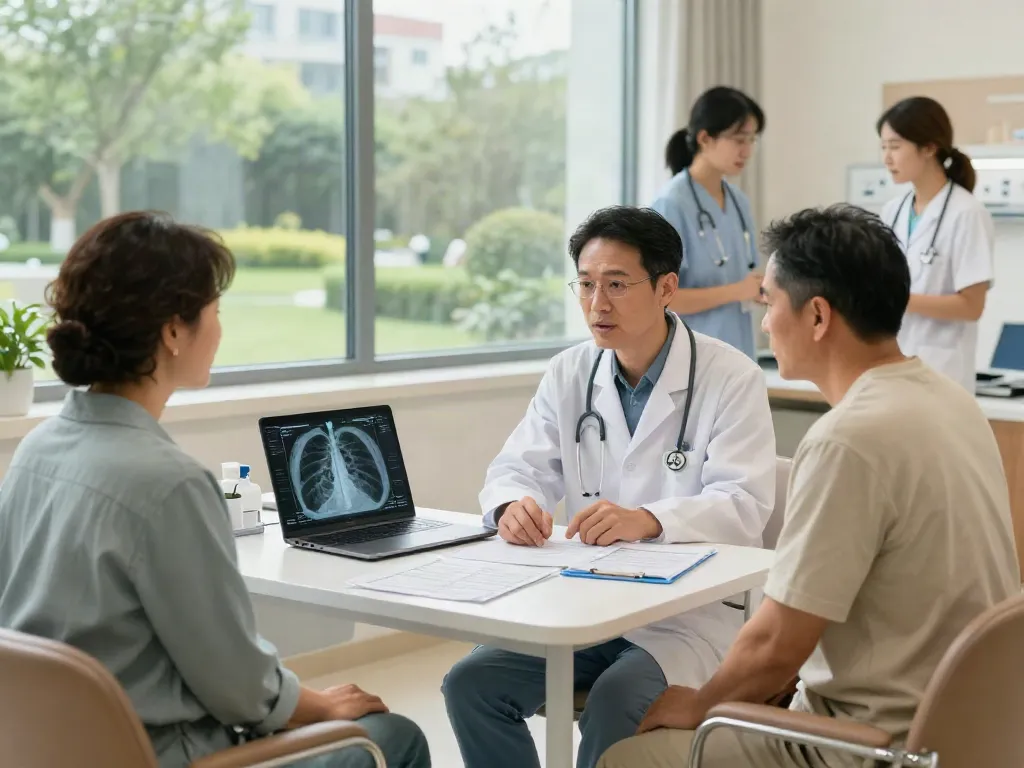
Lung cancer is a formidable adversary, ranking as one of the most prevalent and aggressive forms of cancer globally. The complexity of lung cancer makes it a critical area of focus for healthcare providers, necessitating an advanced approach to both treatment and patient care. The Cleveland Clinic Abu Dhabi's Lung Cancer Program exemplifies the modern standards in lung cancer care, combining cutting-edge technology with a compassionate, multidisciplinary team. When exploring options, Lung cancer care at our facility is designed to meet the unique needs of each patient.
What is Lung Cancer?
Lung cancer develops when abnormal cells in the lungs begin to grow uncontrollably, creating tumors that can impair lung function and spread to other parts of the body. It is generally categorized into two primary types: Non-Small Cell Lung Cancer (NSCLC), which accounts for approximately 85% of cases, and Small Cell Lung Cancer (SCLC), which is less common but more aggressive. Understanding the differences between these types can significantly impact treatment strategies.
Key Statistics about Lung Cancer
- Lung cancer is the second leading cause of cancer death worldwide.
- In the UAE, the incidence rate of lung cancer continues to rise, primarily due to smoking and environmental factors.
- Early detection significantly improves survival rates; patients diagnosed in the early stages have a much higher likelihood of successful treatment.
The Importance of Early Detection
Early detection of lung cancer is paramount. Symptoms often remain absent in the initial stages, which underscores the necessity for screening, particularly for high-risk populations. Innovations like low-dose CT scans have vastly improved early detection rates, allowing medical professionals to identify issues before they escalate.
The Multidisciplinary Approach to Treatment
Effective lung cancer care requires a comprehensive, multidisciplinary approach. This strategy involves a collaborative team of healthcare professionals, including oncologists, pulmonologists, radiologists, and support staff, working together to create tailored treatment plans for each patient.
Roles of Different Specialists in Lung Cancer Care
The multidisciplinary nature of lung cancer treatment incorporates the expertise of various specialists:
- Surgical Oncologists: Perform surgeries to remove tumors and affected lung tissue.
- Medical Oncologists: Manage chemotherapy and targeted therapies.
- Radiation Oncologists: Administer radiation treatments aimed at shrinking tumors.
- Pathologists: Analyze tissue samples to determine cancer types and treatment effectiveness.
Integrated Treatment Plans for Better Outcomes
Every patient’s treatment plan is crafted through a Tumor Board meeting, where specialists discuss and agree upon the most effective strategies tailored to individual cases. This integrated approach ensures that no aspect of a patient’s health is overlooked.
The Impact of Team Collaboration on Patient Success
Collaborative care enhances the likelihood of improved outcomes. Continuous communication between specialists ensures that patients receive coordinated care, addressing both their physical and psychological needs throughout their cancer journey.
Screening and Diagnosis
Screening is a crucial preventative measure in lung cancer care. The advancement in screening techniques has made it easier to identify lung cancer at its most treatable stages.
Who Should Get Screened for Lung Cancer?
Individuals with risk factors, including a history of heavy smoking, exposure to certain environmental toxins, or a family history of lung cancer, should discuss screening options with their doctors. Regular screenings can significantly enhance the chances of early detection.
Innovative Screening Techniques Available Today
Technological advancements, particularly low-dose computed tomography (LDCT), have transformed how we screen for lung cancer. These non-invasive scans are quick and effective, helping to identify lung anomalies that may suggest cancer.
Understanding Diagnostic Tests and What to Expect
A comprehensive diagnostic process often includes imaging tests like X-rays and CT scans, and may be supplemented with bronchoscopy or biopsy to obtain tissue samples. These tests help determine the nature and stage of the cancer, guiding treatment decisions.
Innovative Treatment Options
Lung cancer treatments have evolved significantly, offering patients a variety of options tailored to their specific diagnosis and individual circumstances.
Overview of Surgical and Non-Surgical Treatments
Treatment plans may involve surgery, chemotherapy, radiation therapy, targeted therapy, or a combination of these approaches. The choice depends on factors such as cancer type, stage, and patient health.
Advancements in Targeted Therapy and Immunotherapy
Targeted therapy and immunotherapy represent the forefront of lung cancer treatment. These innovative therapies help attack cancer cells more effectively while preserving surrounding healthy tissue, leading to better patient outcomes and fewer side effects.
Importance of Personalized Treatment Plans
Personalization is key in lung cancer treatment. Every patient's cancer is different, and what works for one individual may not work for another. The collaborative model at Cleveland Clinic Abu Dhabi ensures that each treatment plan is tailored specifically to the patient's needs.
Support Systems and Resources
Beyond medical treatment, support systems play an essential role in the overall well-being of lung cancer patients and their families.
The Role of Palliative and Supportive Care
Palliative care focuses on providing relief from symptoms and stress of the illness, improving quality of life for patients and their caregivers. This approach recognizes that cancer impacts not only the body but also the mind and spirit.
Resources for Patients and Families
Support groups, counseling Services, and educational resources are crucial in helping patients navigate their lung cancer journey. These resources empower patients and families to make informed decisions regarding their care.
Future Trends in Lung Cancer Care and Support
As research continues to advance, we can expect to see even more innovative treatments and supportive measures for lung cancer. Integrative approaches combining traditional therapies, lifestyle changes, and psychological support will enhance the overall care provided.
Can you survive with lung cancer?
Survival rates depend on many factors, including the type of lung cancer, the stage at the time of diagnosis, and the overall health of the patient. With advancements in treatment, many patients now have better prospects.
What are the best practices for lung cancer patients?
Patients are encouraged to maintain a healthy lifestyle, adhere to treatment plans, and actively engage in their care. This proactive approach can lead to improved outcomes.
How does lifestyle impact lung cancer recovery?
A healthy lifestyle can significantly impact recovery. Factors such as nutrition, exercise, and mental health play essential roles in building resilience against the disease.
What are the signs of lung cancer to watch for?
Common signs include a persistent cough, chest pain, shortness of breath, and unexplained weight loss. Early recognition of these symptoms can lead to timely medical intervention.
What should patients know before their first treatment?
Patients should be informed about their treatment options, potential side effects, and the expected timeline of treatment. Open communication with healthcare providers is vital for managing expectations and addressing concerns.