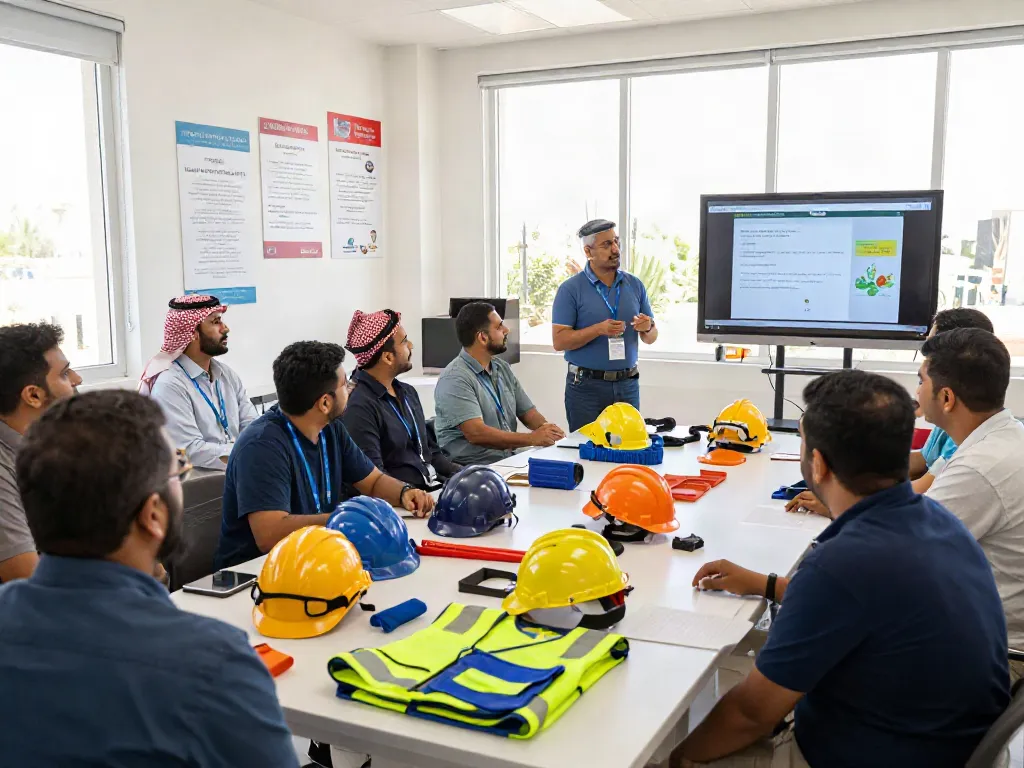
Understanding the Importance of Health and Safety Training in Saudi Arabia
In a rapidly evolving industrial landscape, the significance of health and safety training cannot be overstated. As Saudi Arabia continues to diversify its economy, with a strong emphasis on industries such as oil and gas, construction, and manufacturing, the need for competent health and safety professionals has surged. These professionals are essential for ensuring compliance with national and international safety regulations, safeguarding the workforce, and minimizing workplace incidents. When exploring options, Training Institute Saudi Arabia offers a comprehensive suite of HSE training programs to meet these demands.
What is HSE Training and Why is it Critical?
Health, Safety, and Environmental (HSE) training encompasses a variety of programs designed to equip individuals with the necessary skills and knowledge to identify hazards, assess risks, and implement safety measures in their workplaces. With the Kingdom's commitment to improving workplace safety and reducing accidents, effective HSE training has become a critical component in achieving these goals. The training helps create a culture of safety, ensuring that employees are aware of best practices and can respond effectively to emergencies.
Regulatory Compliance and Industry Standards
Saudi Arabia's regulatory landscape is governed by multiple agencies, including the Ministry of Health, the Ministry of Labor, and various industry-specific standards. Compliance with these regulations is not only a legal requirement but also a moral obligation to protect employees. Consequently, HSE training programs are designed to align with both local regulations and international standards, such as those set by the International Organization for Standardization (ISO) and the Occupational Safety and Health Administration (OSHA).
Job Market Trends for HSE Professionals
The demand for HSE professionals in Saudi Arabia is on the rise, driven by the ongoing push for higher safety standards across various sectors. Job market trends indicate a growing preference for candidates with internationally recognized certifications such as NEBOSH, IOSH, and those provided by the National Fire Protection Association (NFPA). As organizations seek to improve their safety protocols, there is a heightened expectation for professionals to have formal training and qualifications in health and safety management.
Top Training Programs Offered by Leading Institutes
With numerous HSE training institutes operating in Saudi Arabia, understanding the top programs available is crucial for aspiring professionals. Institutions like Burraq Consulting have established partnerships with internationally recognized organizations, ensuring that the training meets global standards.
Overview of NFPA and ProQual Certifications
The National Fire Protection Association (NFPA) is renowned for its comprehensive fire protection training programs. This includes certification in fire safety, which is vital for professionals working in high-risk environments. In addition, ProQual offers recognized vocational qualifications that provide practical training aligned with industry needs, such as the NVQ Level 6 Diploma in Occupational Health and Safety Practice and the Level 7 Diploma in Strategic Health and Safety Leadership and Management.
NVQ and ProQual Diplomas Explained
The NVQ (National Vocational Qualification) framework offers a structured pathway for individuals to gain skills and knowledge through practical experience. For example, the NVQ Level 6 Diploma in Occupational Health and Safety Practice equips learners with the necessary expertise to manage health and safety in a wide range of contexts. Similarly, ProQual diplomas, such as the Level 6 Diploma in Sustainability and Environmental Management, are tailored to address the growing importance of environmental issues in business operations.
Specialized Courses for Different Industries
Different industries have unique challenges when it comes to health and safety. To address these, training institutes offer specialized courses such as:
- Confined Space Entry Training
- Electrical Safety Certification
- Behavior-Based Safety Programs
- Fire and Egress Safety Courses
These courses are designed to enhance the competency of employees in specific roles, ensuring that they are adequately prepared to handle the risks associated with their job functions.
Choosing the Right Training Institute in Saudi Arabia
Selecting the appropriate training institute is a crucial step in advancing one's career in health and safety. With numerous options available, it is essential for prospective students to consider several key factors before making their decision.
Key Factors to Consider When Selecting an Institute
When evaluating training institutes, consider the following:
- Accreditation and recognition of certifications
- Expertise and experience of instructors
- Range of programs offered
- Flexibility in training delivery (on-site, online, or blended)
By thoroughly assessing these factors, individuals can choose a training institute that aligns with their career aspirations and learning preferences.
Benefits of On-Site vs. Classroom Training
Both on-site and classroom training have their unique advantages. On-site training allows organizations to tailor programs to their specific needs, providing convenience for employees by reducing travel time. Classroom training, on the other hand, fosters a collaborative learning environment where students can engage with instructors and peers. Balancing these options can lead to more effective training outcomes.
Cost Considerations and Funding Options
Understanding the cost of training programs is vital for individuals and organizations alike. While many institutes offer competitive pricing, funding options such as employer sponsorship, grants, or government assistance may be available. Investing in quality training can lead to significant returns in productivity and safety improvements.
Success Stories: Transforming Careers through HSE Training
Real-world success stories illuminate the impact of HSE training on professionals' careers. Graduates of these programs often report marked improvements in job security, promotions, and overall employee satisfaction.
Case Studies of Successful Graduates
Many graduates of HSE training programs have successfully transitioned into leadership positions within their organizations. For instance, a professional who obtained the NVQ Level 6 Diploma in Occupational Health and Safety Practice advanced from a safety officer to a health and safety manager, demonstrating the value of formal training in career progression.
Employer Partnerships and Job Placement Success
Leading training institutes frequently collaborate with industry employers to facilitate job placements for graduates. These partnerships ensure that students are not only trained in theoretical aspects but also gain practical insights and networking opportunities that enhance their employability.
Client Testimonials and Feedback
Feedback from course participants often showcases the quality of training provided. Testimonials reveal that many appreciate the hands-on experience and expertise of instructors, describing how the training has positively influenced their approach to health and safety in the workplace.
Future Trends in HSE Training for 2026 and Beyond
The landscape of health and safety training is continually evolving, influenced by technological advancements, changing regulations, and the dynamic nature of workplaces.
Technological Advancements in Training Delivery
In the coming years, we can expect an increase in the use of virtual reality (VR) and augmented reality (AR) in training programs. These technologies provide immersive training experiences, allowing learners to engage in realistic scenarios without the associated risks of real-life training.
Emerging Health and Safety Regulations
As global priorities shift towards sustainability and employee welfare, new regulations are likely to emerge that will influence HSE training. Staying abreast of these changes will be essential for training providers to remain relevant and effective in their offerings.
Innovation in Training Methods and Content
Future training programs will likely incorporate more interactive content and diverse learning methods. This could include gamification, online modules, and collaborative projects, designed to engage learners and enhance retention of information.
What types of HSE certifications are available in Saudi Arabia?
Saudi Arabia offers a wide range of HSE certifications, including those from recognized bodies like NEBOSH, IOSH, and NFPA, covering various specializations from general safety to fire protection.
How long does it take to complete HSE training programs?
The duration of HSE training programs varies widely depending on the course content and format. Typically, courses can range from a few days for basic certification to several months for advanced diplomas.
Are online courses recognized for HSE certifications?
Yes, many online courses are recognized for HSE certifications, especially those provided by accredited institutions and organizations that adhere to established standards.
What is the cost of HSE training programs in Saudi Arabia?
Costs for HSE training programs can vary greatly depending on the institution, course length, and certification level. It is advisable to compare different providers to ensure value for money.
How can HSE training enhance my career prospects?
HSE training significantly boosts career prospects by enhancing your qualifications, making you more competitive in the job market, and preparing you for roles that require specialized knowledge in health and safety.