Understanding the Plumbing Landscape in London
As one of the most populous cities in Europe, London is a vibrant metropolis that requires a robust plumbing infrastructure to support its diverse population and extensive commercial activities. The plumbing services industry in London is not only competitive but also vital, as it ensures that essential services like water supply, waste disposal, and heating systems operate efficiently. With the rise of customer awareness and increasing demand for reliable services, the need for experienced and trustworthy plumber london has never been more apparent.
Overview of Plumbing Services in London
Plumbing services in London encompass a wide range of areas including residential plumbing, commercial plumbing, heating systems, drainage solutions, and emergency repairs. The industry has seen substantial growth in recent years due to the urban expansion and the aging infrastructure of many buildings, which often require modernization or complete overhauls. Common services provided by reputable plumbing companies include:
- Routine maintenance and repairs of plumbing systems
- Installation of fixtures, pipes, and appliances
- Drain cleaning and waste management
- Heating system installation and servicing, including boilers
- Emergency plumbing repairs
Key Challenges Facing Plumbers Today
The plumbing industry is not without its challenges. Some of the key issues include:
- Shortage of Skilled Labor: Many plumbing companies are struggling to find qualified professionals to meet the growing demand for services.
- Regulatory Compliance: Adhering to local building codes and safety regulations can be complex and requires up-to-date knowledge.
- Competition: With numerous service providers in London, standing out in a crowded market can be difficult.
- Customer Expectations: Increased consumer awareness means that customers expect high-quality service and transparency in pricing.
Trends Shaping the Plumbing Industry in 2026
The plumbing industry is evolving and adapting to new technologies and consumer expectations. Some of the trends anticipated to shape the plumbing sector include:
- Sustainability: More plumbing companies are incorporating eco-friendly practices and materials into their services.
- Smart Technology: The rise of smart home systems is leading to an increase in demand for plumbing solutions that utilize advanced technology, such as smart water meters and leak detection systems.
- Remote Services: The growth in remote working and virtual consultations will allow plumbing companies to provide services without the need for physical visits in many cases.
Choosing the Right Plumber London
Finding a reliable plumber in London can be a daunting task, especially with the number of choices available. However, understanding what to look for can greatly simplify the process.
What to Look for in a Reliable Plumber
When searching for a trustworthy plumber, consider the following criteria:
- Experience and Qualifications: Look for a plumber with a proven track record and the necessary certifications, such as Gas Safe registration for heating works.
- Customer Reviews: Research online reviews and testimonials to gauge customer satisfaction.
- Transparent Pricing: A reputable plumber should provide clear and detailed pricing structures without hidden fees.
Common Red Flags to Avoid
Not all plumbing services are created equal. Be wary of the following warning signs:
- Plumbers who do not provide written estimates or contracts.
- Unclear or confusing pricing structures.
- Negative customer reviews or lack of an online presence.
Comparing Prices and Services of Different Plumbers
It’s essential to get multiple quotes from different plumbers. While price is a significant factor, consider the value of service offered. A low price may come with a compromise on quality, while a higher price may include exceptional customer service and warranty guarantees.
Technological Advancements in Plumbing
The plumbing industry is witnessing a rapid transformation as technology advances. Innovative tools and techniques are redefining how plumbing services are delivered.
Innovative Tools and Techniques for Modern Plumbers
Modern plumbing relies heavily on technology for efficiency and accuracy. Some notable advancements include:
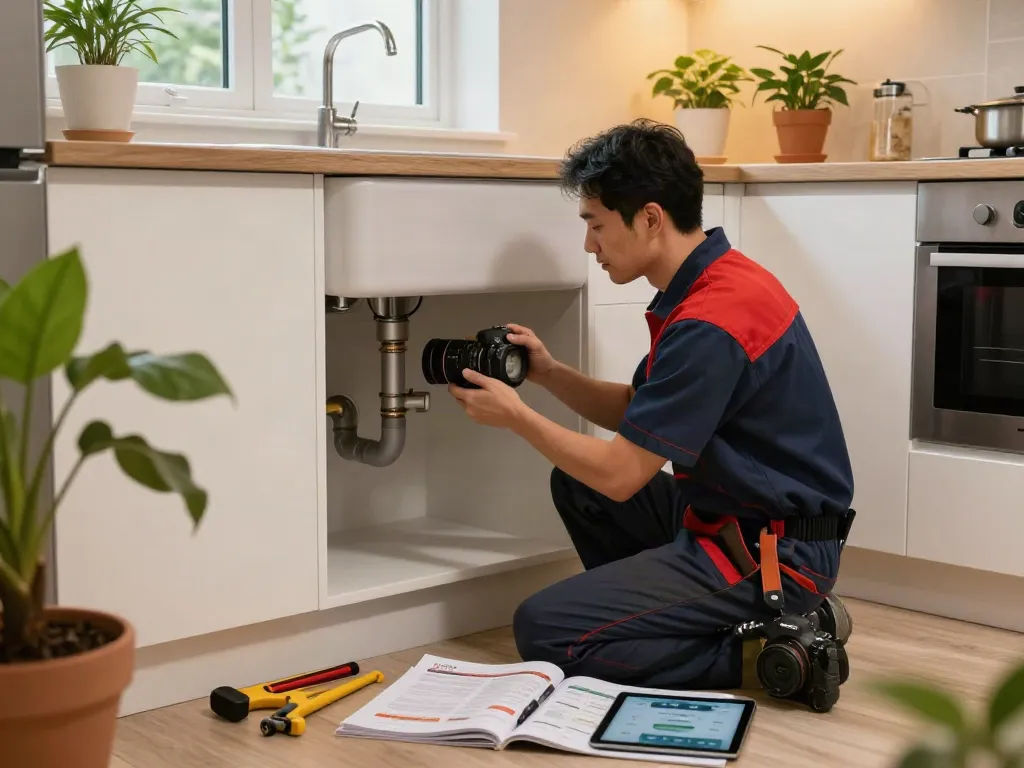
- Drain Cameras: Used for inspecting plumbing systems without invasive procedures.
- Pipe Locators: These tools help in identifying blockages and leaks more accurately.
- Smart Tools: Devices that can monitor water usage and detect problems in real-time.
The Role of Smart Technology in Plumbing Systems
Smart technology has made its way into plumbing systems, allowing for enhanced control and efficiency. Smart faucets, thermostatic mixing valves, and automated irrigation systems are just a few examples of how technology is improving plumbing services.
Future Trends: Virtual Reality in Plumbing Training
The future of plumbing training may very well involve the use of virtual reality (VR). This immersive technology can provide trainees with realistic simulations of plumbing scenarios, allowing for hands-on practice without the risks associated with real-life installations.
Building and Maintaining Customer Relationships
A successful plumbing business thrives on strong customer relationships. Establishing trust and clear communication with clients is essential.
Importance of Trust and Communication in Plumbing
Effective communication helps plumbers understand client needs and concerns, fostering a sense of trust. Building a rapport with customers can lead to repeat business and referrals.
How to Handle Customer Complaints Effectively
Handling complaints with professionalism can turn a negative experience into a positive one. Ensure that you listen to your customers, empathize with their situation, and resolve issues promptly.
Leveraging Customer Reviews to Enhance Service
Encouraging satisfied customers to leave positive reviews can significantly enhance the visibility and reputation of a plumbing service. Use feedback to improve your services continually.
Staying Compliant with Plumbing Regulations
Compliance is a crucial aspect of the plumbing industry. Understanding and adhering to local plumbing codes can prevent legal issues and ensure safety.
Understanding Local Plumbing Codes in London
Familiarity with the Building Regulations in London is essential for any plumber. These laws dictate the standards for installation and maintenance, ensuring the safety and health of residents.
Ensure Compliance to Avoid Legal Issues
Non-compliance can lead to hefty fines and legal troubles. Always ensure that your plumbing work meets the required standards and that all necessary permits are obtained prior to beginning any job.
Guidelines for New Plumbing Installations and Repairs
When undertaking new installations or repairs, following guidelines set forth by local authorities is imperative. This can include inspections and approvals at various stages of the project.
What are the average plumbing costs in London?
The average cost of plumbing services in London can vary widely based on the complexity of the job and the experience of the plumber. Generally, homeowners can expect to pay between £80 to £150 per hour, with additional fees for parts and materials.
How do I find a trustworthy plumber near me?
In your search for a trustworthy plumber, start by asking friends and family for recommendations. Online reviews on platforms like Trustpilot and Yelp can also provide insights into local plumbers’ reputations.
What should I ask before hiring a plumber?
Before hiring a plumber, consider asking about their experience, qualifications, warranties, and expected timelines for your specific job. This can help ensure you choose the right professional for your needs.
How can I prevent plumbing issues in my home?
Regular maintenance, such as checking for leaks, cleaning drains, and avoiding flushing inappropriate items, can help prevent major plumbing issues in your home.
What are the signs that I need a plumber urgently?
Signs that indicate the need for urgent plumbing services include persistent leaks, clogged drains causing backups, no hot water, or unusual noises from the plumbing system. Addressing these issues promptly can save time and money in the long run.