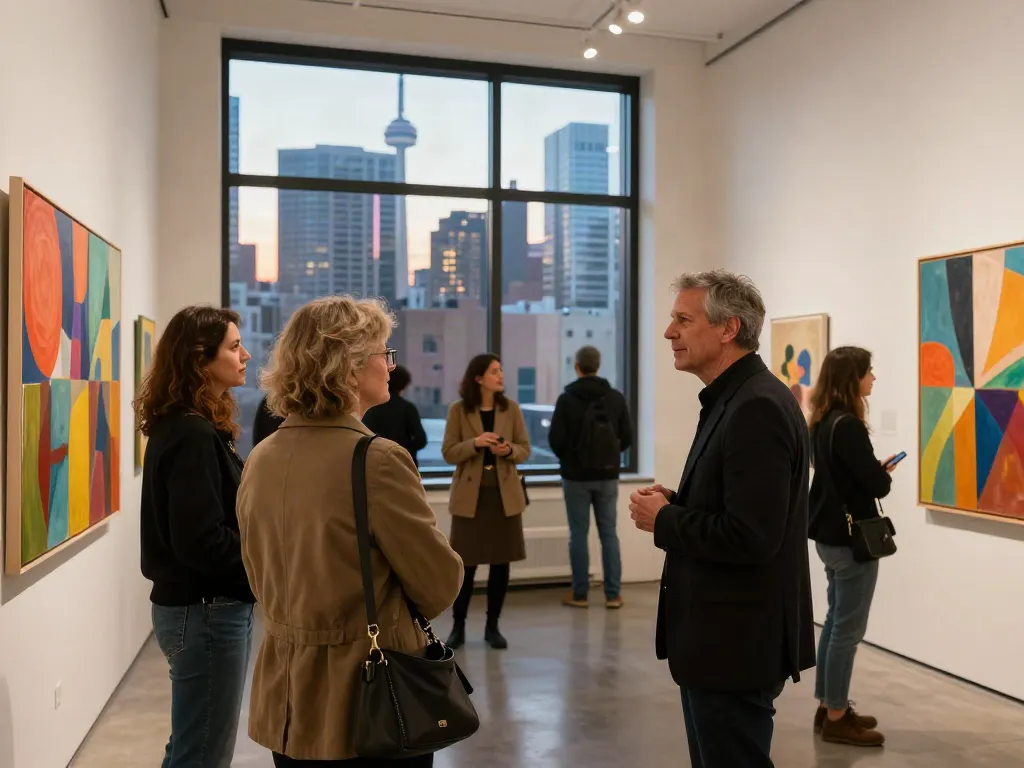
The Impact of Bruce Bailey on Toronto's Art Scene
In the vibrant cultural landscape of Toronto, few figures stand out like Bruce Bailey. As a prominent art collector and philanthropist, Bailey has significantly influenced the city's art scene, fostering connections between artists and institutions. His commitment to supporting the arts not only uplifts individual artists but also enhances the broader cultural fabric of Canada. In exploring the contributions of Bruce Bailey Toronto, we uncover a narrative rich with passion, advocacy, and a vision for the future of art in this bustling metropolis. When exploring options, Bruce Bailey Toronto provides comprehensive insights into his initiatives and collaborations that shape contemporary art.
Introduction to Bruce Bailey's Contributions
Bruce Bailey's journey as an art patron began with a genuine love for the creative process and a deep appreciation for artistic expression. His approach to collecting is not merely about amassing artworks but about nurturing a community where art can thrive. Bailey has used his expertise as an investment banker to strategically support emerging artists and established institutions alike, ensuring a diverse and dynamic art environment. His collection reflects a commitment to Canadian art, showcasing works that tell stories of identity, culture, and innovation.
Art Patronage and Community Engagement
Art patronage today goes beyond financial support; it encompasses a holistic approach that includes community engagement and education. Bruce Bailey exemplifies this by actively participating in local arts initiatives, organizing workshops, and facilitating discussions around art topics. His partnerships with local galleries and art organizations not only provide exposure for artists but also foster a sense of belonging within the community. By creating platforms for artists to share their work, Bailey contributes to a collaborative ecosystem that empowers creators and art lovers alike.
Notable Collaborations and Partnerships
Throughout his career, Bruce Bailey has established key partnerships with various cultural institutions and organizations. One notable collaboration was with the Power Plant Contemporary Art Gallery in Toronto, where he played a pivotal role in curating exhibitions that featured both established and emerging artists. These efforts have not only brought attention to the artists' work but have also elevated the gallery's profile as a leading space for contemporary art in Canada. Such partnerships exemplify Bailey's understanding of the interconnectedness of art and community, proving that collaboration can lead to innovative and impactful outcomes.
Understanding Art Collecting
Defining Art Collecting Today
The landscape of art collecting has evolved significantly in recent years. Modern collectors, like Bruce Bailey, view collecting as a multifaceted endeavor that blends passion with strategic investment. Today's collectors are not just buyers but also advocates for the artists and genres they support. Collecting has become a way to engage with culture and contribute to the arts in a meaningful way. This shift reflects a broader trend where collectors seek to understand the context and value of their acquisitions beyond mere aesthetics.
Common Pitfalls New Collectors Face
New collectors often encounter several challenges as they embark on their art collecting journey. One common pitfall is the tendency to purchase art purely based on perceived value or trends rather than personal connection to the work. This can lead to a collection that lacks coherence or fails to resonate emotionally. Additionally, novice collectors may struggle with understanding the market dynamics, which can result in overpaying for pieces or investing in works that don't appreciate over time. To avoid these pitfalls, aspiring collectors should prioritize education and seek guidance from established figures in the art community.
Bruce Bailey's Unique Approach to Collecting
Bruce Bailey's approach to collecting art is both thoughtful and strategic. He emphasizes the importance of aligning his collection with personal values and cultural narratives. By focusing on Canadian artists, he not only supports local talent but also preserves the cultural identity expressed through their works. Bailey's method includes research, attending exhibitions, and engaging directly with artists to deepen his understanding of their work. This level of engagement helps him curate a collection that is not only visually appealing but also rich in meaning and context.
Building a Curated Collection
Identifying Your Artistic Interests
For anyone seeking to build a curated art collection, the first step is identifying personal artistic interests. This involves exploring various art movements, styles, and mediums to discover what resonates most. By visiting galleries, museums, and art fairs, collectors can gain exposure to different artistic expressions and refine their preferences. Additionally, engaging in discussions with artists and other collectors can provide valuable insights and inspiration, ultimately guiding one’s collecting direction.
Engagement with Emerging Artists
Supporting emerging artists is a vital aspect of building a contemporary collection. These artists often bring fresh perspectives and innovative ideas to the art world. Engaging with them through studio visits, artist talks, and local exhibitions not only enriches the collector's understanding but also fosters a supportive network that encourages artistic growth. By investing in emerging talent, collectors can play a crucial role in shaping the future of contemporary art.
Strategies for Acquiring Artwork
Acquiring artwork can be both exciting and daunting; however, employing effective strategies can streamline the process. Firstly, collectors should establish a budget that considers both acquisition costs and ongoing expenses like framing and insurance. Secondly, attending auctions and art fairs can provide opportunities to find unique pieces while also networking with art professionals. Lastly, utilizing online platforms can expand exposure to a wider range of artworks while allowing for careful research and selection.
Showcasing Your Collection
Exhibition Best Practices
Once a collection begins to take shape, showcasing it effectively is crucial for enhancing visibility and engagement. Curating exhibitions involves more than simply displaying art; it requires thoughtful arrangement that tells a story or conveys a theme. Consideration should be given to the space, lighting, and flow of the exhibition to create an immersive experience. Collaboration with curators or art professionals can also lead to more polished presentations that resonate with audiences.
Public Engagement and Community Events
Hosting community events can foster a deeper appreciation for art and expand outreach efforts. Bruce Bailey exemplifies this by organizing open studios, artist talks, and panel discussions that invite the public to engage with artists and the creative process. These events not only promote artists but also build a sense of community among attendees, enriching the overall art experience.
Utilizing Social Media for Art Promotion
In today's digital age, social media serves as a powerful tool for art promotion. Collectors can leverage platforms like Instagram and Facebook to share their collections, connect with artists, and engage with a broader audience. Regularly posting about new acquisitions, exhibitions, and artist highlights can help build a personal brand as a collector while supporting the artistic community. Additionally, utilizing hashtags related to contemporary art increases the chance of reaching art enthusiasts and potential buyers.
Future Trends in Art Collecting
How Technology is Shaping Collecting
The rise of technology is fundamentally changing the way collectors approach art. Online galleries and virtual exhibitions have made it easier to access and acquire artworks without geographical limitations. Additionally, blockchain technology is gaining traction in the art market, providing more transparency around provenance and ownership. As these trends continue to evolve, collectors must adapt to harness the benefits of technology while navigating the challenges it presents.
Art Investment and Market Dynamics
The art market has long been perceived as a unique investment opportunity, and this perception is growing. Collectors are increasingly looking at art through an investment lens, considering potential appreciation in value. However, market dynamics can be unpredictable, influenced by trends, economic conditions, and changing tastes. Savvy collectors, therefore, must balance passion for the art with a keen understanding of market signals, enabling informed decisions about acquisitions.
Predictions for the Toronto Art Scene in 2026
As we look ahead to 2026, the Toronto art scene is poised for exciting developments. An increasing emphasis on diversity and inclusion is likely to characterize upcoming exhibitions, with a focus on underrepresented voices in the art world. Additionally, as more artists explore themes of sustainability and social justice, collectors can expect to see these issues reflected in contemporary work. This shift may also influence the types of collaborations and partnerships that emerge within the local art community.
What are the key attributes of Bruce Bailey's art collection?
Bruce Bailey's collection is defined by its emphasis on Canadian talent, emotional resonance, and cultural storytelling. His artworks often reflect contemporary issues and narratives, showcasing artists who challenge norms and provoke thought. Furthermore, the collection is marked by a commitment to quality over quantity, ensuring each piece holds significance within the larger context of his curatorial vision.
How can I start my own art collection?
Starting an art collection begins with a clear vision of your interests and budget. Researching different art forms and periods, attending events, and connecting with local galleries can provide a solid foundation. Engaging with the community of artists and other collectors is also crucial for growth and inspiration. Remember to collect art that resonates personally, as this enhances the joy and fulfillment of your collection.
What challenges do young collectors face in today's market?
Young collectors often grapple with limited budgets and the challenge of navigating a competitive market. Additionally, finding trustworthy sources for art and understanding the nuances of valuation can be daunting. However, by seeking mentorship from established collectors and art professionals, young collectors can gain valuable insights and build confidence in their collecting journeys.
Are there exclusive events for art collectors in Toronto?
Toronto hosts various exclusive events tailored for art collectors, including gallery openings, private viewings, and art fairs. These events provide opportunities to network with fellow collectors and engage with artists while discovering new works. Joining collector groups or associations can also yield invitations to intimate gatherings that enhance the collecting experience.
What trends should I watch for in contemporary art?
Current trends in contemporary art include a focus on social issues, such as climate change and identity politics. Additionally, there is a growing interest in multimedia works and installations that challenge traditional boundaries. Collectors should also pay attention to the increasing role of technology and digital art as they shape the future directions of artistic expression.