Understanding Celebrity Look-Alikes: The Basics
Have you ever looked in the mirror and wondered which celebrity you resemble? The phenomenon of finding celebrity look-alikes has captivated many across the globe. With increasing access to technology, apps, and AI tools, identifying that elusive celebrity twin has become more attainable than ever. This article will dive deep into the world of celebrity look-alike technology, exploring its workings, impact, and future trends. When exploring options, celebrity i look like tools can offer comprehensive insights into the trending features that link your face to famed personalities.
What Does It Mean to Find a Celebrity You Look Like?
Finding a celebrity look-alike is more than just a fun party trick; it taps into our innate fascination with fame and beauty. When users upload their photos to celebrity look-alike applications, they are engaging in a form of entertainment that allows them to see themselves through the lens of public figures known for their unique looks. It can evoke feelings of admiration, humor, and sometimes insecurity as comparisons are drawn between ordinary people and those living extraordinary lives.
How Celebrity Look-Alike Technology Works
Celebrity look-alike technology relies on sophisticated algorithms that analyze facial features through advanced image processing techniques. By utilizing artificial intelligence (AI) and machine learning, these applications compare user-uploaded photos against vast databases containing images of celebrities. Common traits such as facial structure, eye contours, and hair type are assessed to find the closest matches. These comparisons are often visualized through percentage scores, indicating how similar a user is to a particular celebrity.
The Popularity of Celebrity Look-Alike Apps
Today, millions of users flock to various apps designed to match them with their celebrity counterparts. As social media influences our perceptions of beauty and identity, these tools operate in a space enriched by self-expression. Apps like "Celebs Like Me" and "Look Alike Celebrity" have gained substantial traction, boasting hundreds of thousands of downloads and high user ratings. This popularity reflects a broader cultural fascination with celebrities and the desire to connect with their glamour.
Exploring the Science Behind Facial Recognition
AI and Machine Learning in Celebrity Matching
The core of celebrity matching applications lies in the integration of AI and machine learning. These technologies have evolved remarkably over recent years, allowing for highly accurate facial recognition. Machine learning algorithms undergo extensive training on a variety of facial datasets, enabling them to recognize patterns and similarities. As user data accumulates, the algorithms improve over time, refining their accuracy and effectiveness.
Accuracy of Celebrity Look-Alike Algorithms
While celebrity look-alike applications can be amusing, their accuracy can vary significantly. The quality of matches depends on various factors, including the lighting of the photo, angle of the face, and distinctiveness of the user’s features. It's crucial for users to remember that these tools provide entertainment rather than definitive answers. Many apps often showcase their top matches to entertain and engage users rather than produce scientifically valid results.
The Role of User Data in Improving Results
User feedback plays a vital role in enhancing the performance of celebrity look-alike algorithms. Many applications encourage users to rate their results, which helps refine the data sets used for future matches. The continuous learning aspect of machine learning means that as more users participate, the technology becomes more accurate and reliable. User engagement thus becomes a cornerstone of developing a more effective celebrity matching experience.
The Social Implications of Celebrity Look-Alike Findings
How Celebrity Comparisons Affect Self-Perception
While it can be fun to discover a celebrity look-alike, such comparisons can significantly impact self-perception and body image. For some, these matches can boost self-esteem and create a sense of connection to their favorite stars. For others, however, it may lead to feelings of inadequacy or insecurity, particularly if the celebrity embodies ideals of beauty that are unattainable for many. Users should engage with these tools mindfully, considering how the results influence their perception of themselves.
Sharing Results: The Rise of Social Media Trends
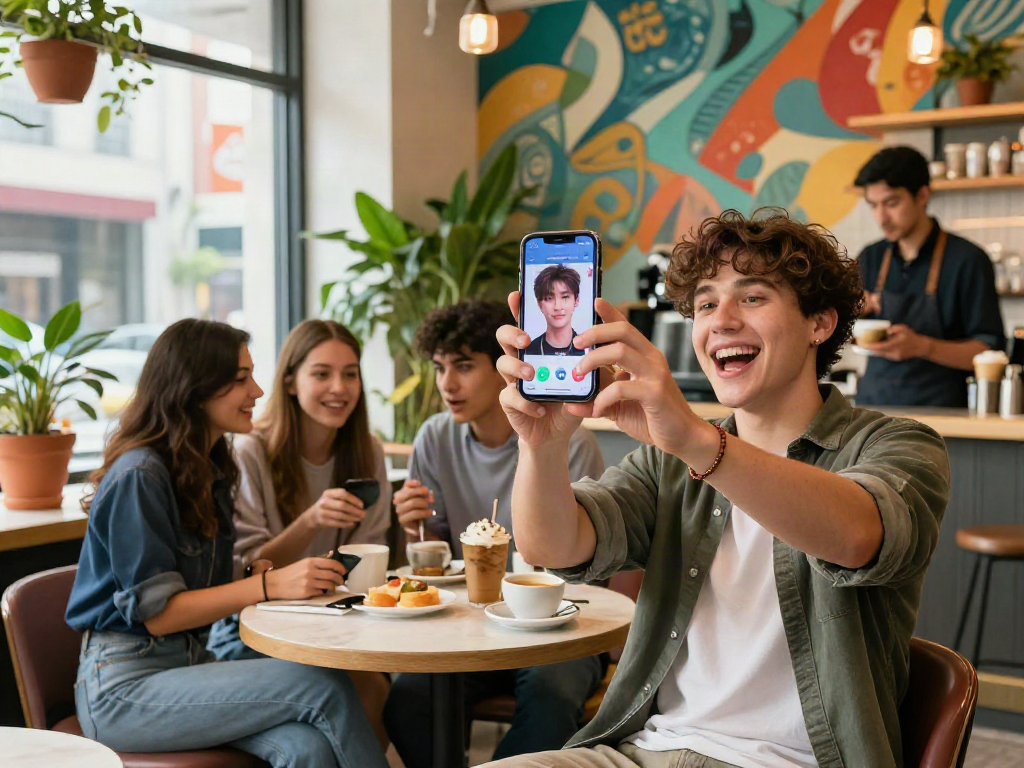
In the age of social media, sharing results from celebrity look-alike apps has become a viral trend. Platforms like Instagram and TikTok are filled with users posting side-by-side comparisons of their faces with those of celebrities, often accompanied by humorous captions. This phenomenon not only serves as a form of entertainment but also creates a community of individuals who join in the fun. Engaging with social trends can foster a sense of belonging, but it's essential to balance light-hearted fun with mindful consumption of social media.
Potential Risks and Benefits of Celebrity Matching
While celebrity look-alike technologies offer entertainment and connection, they also carry risks. The apps can perpetuate narrow views of beauty and reinforce unrealistic standards. On the other hand, they can serve as a springboard for conversations about beauty diversity and self-acceptance. Ensuring that discussions around these tools remain positive and constructive is vital for promoting healthy self-image among users.
Real-World Applications of Celebrity Look-Alike Technology
Case Studies: Brands Utilizing Look-Alike Tools
Several brands within the cosmetics and fashion industries have begun to leverage facial recognition technology to personalize their marketing strategies. By identifying look-alikes, brands can target specific demographics that align with particular celebrity likenesses, tailoring marketing content to resonate with potential consumers. This data-driven approach allows for more effective advertising campaigns, ultimately leading to higher engagement rates.
Entertainment Industry: Casting and Marketing Insights
In the entertainment industry, these technologies can provide insights into potential casting choices. Production companies can utilize celebrity look-alike software to identify actors or actresses who might visually appeal to similar audiences as established stars. This approach aids in marketing strategies and can even influence character design in animated films or television shows.
Applications Beyond Entertainment: Health and Psychology
Beyond mere entertainment, facial recognition technology has applications in health and psychology. For example, researchers are exploring how facial features relate to personality traits, which can deepen our understanding of human behavior. Additionally, in psychological settings, look-alike findings may inspire clients to address self-image and identity issues in therapy, reinforcing the connection between technology and personal health.
Future Trends in Celebrity Look-Alike Technology
Innovations Expected in 2026 and Beyond
The future of celebrity look-alike technology promises continued innovation. As computational power increases and algorithms become more sophisticated, users can expect even greater accuracy in identifying look-alikes. Enhanced image recognition capabilities could also unfold, allowing for a broader range of features to be considered in matches, from more subtle traits to hairstyle dynamics.
Integration with Augmented Reality and Virtual Spaces
Looking ahead, the integration of celebrity look-alike tools with augmented reality (AR) and virtual spaces could revolutionize user interaction. Imagine using AR to overlay celebrity likenesses onto your image in real-time or participating in virtual environments where users engage based on their look-alike matches. Such immersive experiences could create a new realm of engagement, blending entertainment with personal connection.
Ethical Considerations for Future Development
As technology evolves, ethical considerations must guide the development of celebrity look-alike applications. Issues surrounding privacy, consent, and emotional impact are paramount. Developers must ensure that user data is handled responsibly and that the technology does not inadvertently promote unrealistic standards of beauty. Striking a balance between innovation and ethical responsibility will be crucial for creating a sustainable future for these applications.
What Are the Most Popular Celebrity Look-Alike Apps?
Some of the most popular apps include "Celebs Like Me," "Look Alike Celebrity," and "StarByFace," each offering unique features and user experiences. These applications have successfully captured the imaginations of users worldwide, providing an enjoyable way to engage with technology while feeling connected to the world of celebrity.
How Accurate Are Celebrity Look-Alike Predictions?
While many applications promote impressive accuracy, users should remain skeptical. The reliability of predictions can vary based on numerous factors. Users should approach results as an entertaining experience rather than definitive identifications. Evaluating multiple apps might provide a broader understanding of potential matches.
Can Look-Alike Apps Boost Self-Esteem?
For some individuals, discovering a look-alike may enhance self-esteem by creating a positive association with a beloved celebrity. However, this effect is highly subjective and depends on individual perceptions. Users must engage with results in a balanced manner, recognizing the distinction between fantasy and reality.
What Should Users Consider Before Sharing Photos?
Prior to sharing personal images with celebrity look-alike apps, users should consider privacy settings and the potential for data collection. Understanding how user data will be utilized post-upload is crucial for responsible digital interaction. Opting for apps with transparent privacy policies can minimize potential concerns.
How Will AI Evolve in Celebrity Look-Alike Technology?
AI will continue to evolve in this field, becoming more intuitive and tailored to individual preferences. Enhanced learning algorithms will analyze user feedback to fine-tune results, adapting suggestions based on personal interactions. As the technology matures, user experiences are likely to become more personalized and engaging.