Understanding Aerospace CNC Machining
Aerospace CNC machining has revolutionized the manufacturing landscape, enabling the production of intricate components with impeccable precision. Since 2003, Honscn has been a guiding figure in providing tailored CNC machining services to the aerospace industry. With cutting-edge technology and an extensive range of materials, we address the unique challenges within this highly regulated field. When exploring options, leading aerospace cnc parts manufacturers like Honscn offer comprehensive insights into custom solutions for aerospace prototypes and production parts, ensuring adherence to strict quality standards.
What is CNC Machining in Aerospace?
CNC (Computer Numerical Control) machining in aerospace is a method of manufacturing components using computerized controls and machine tools. This technology allows for the highly precise fabrication of complex parts required in airplanes, spacecraft, and satellites. The aerospace sector demands exceedingly high tolerances not just for functionality but also for safety. CNC machining meets these demands by providing repeatable accuracy, with capabilities to produce components from metals and advanced plastics.
Key Benefits of CNC Machining for Aerospace Parts
- Precision: CNC machining offers unparalleled precision, which is critical for aerospace applications where even the slightest deviation can lead to catastrophic failures.
- Efficiency: With automated processes, CNC machining reduces production times significantly, allowing for faster turnaround on prototypes and mass production runs.
- Material Versatility: CNC machining can work with a wide array of metals and plastics, enabling manufacturers to select the most appropriate materials based on desired properties such as strength, weight, and heat resistance.
- Cost-Effectiveness: While the initial setup costs can be high, CNC machining leads to lower long-term costs due to reduced waste and the ability to produce complex designs without the need for extensive retooling.
Common Materials Used in Aerospace CNC Machining
The choice of materials in aerospace machining is crucial, as it impacts weight, durability, and performance. Commonly used materials include:
- Metals: Titanium, aluminum alloys, stainless steel, and nickel alloys are favored for their strength-to-weight ratios and ability to withstand extreme conditions.
- Plastics: Advanced plastics like PEEK (Polyether ether ketone), PMMA (Polymethyl methacrylate), and PC (Polycarbonate) are frequently used for their lightweight properties and resistance to heat and impact.
Essential CNC Machining Techniques for Aerospace Applications
Overview of CNC Milling and Turning Processes
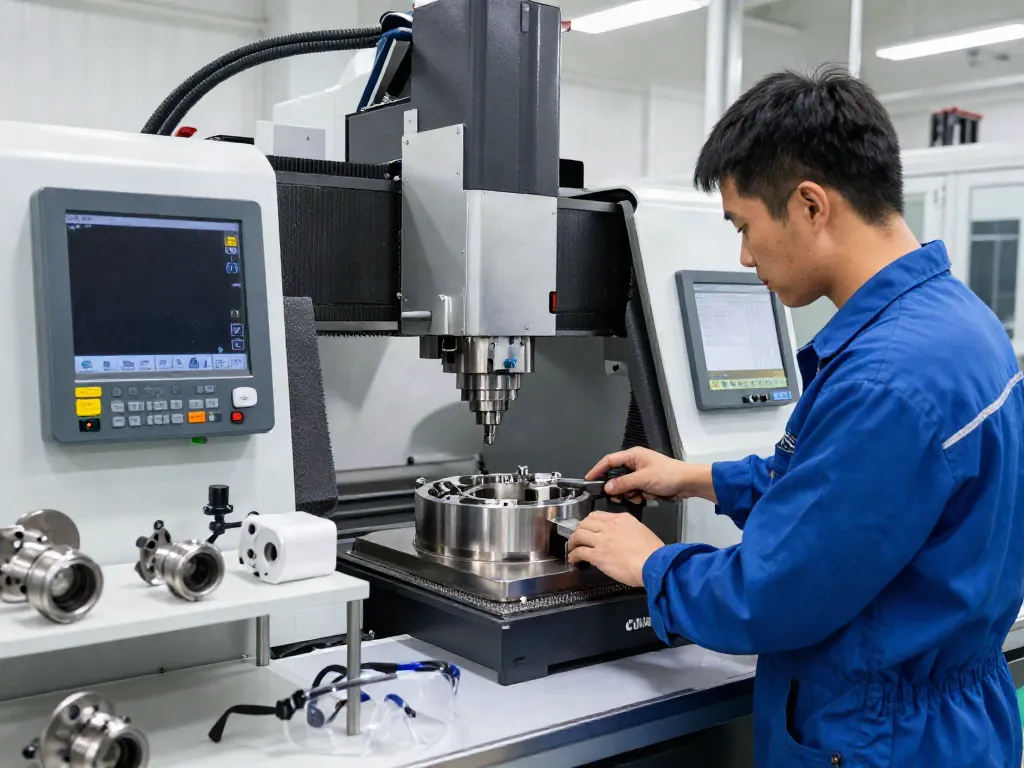
CNC milling and turning are two fundamental processes employed in aerospace manufacturing. CNC milling uses rotary cutters to remove material from a workpiece, enabling complex geometries to be achieved. It is particularly useful for parts with intricate features such as airfoils and engine components.
In contrast, CNC turning involves rotating a workpiece while a cutting tool moves linearly to create cylindrical parts. This method is essential for components such as shafts and housings, ensuring smooth finishes and tight tolerances necessary for aerospace applications.
Importance of Precision in Aerospace Components
Precision is the cornerstone of aerospace manufacturing. Components must fit together seamlessly and function under a variety of extreme conditions. Failure to meet precision requirements could lead to malfunctions, potentially endangering lives. This necessity drives leading manufacturers to invest in advanced CNC technologies, ensuring every part meets stringent regulatory standards.
Advanced Technologies in CNC Machining for Aerospace
As technology evolves, aerospace CNC machining continuously incorporates advancements such as multi-axis machining, which allows for the fabrication of complex parts without the need for repositioning, thus enhancing efficiency and accuracy. Additionally, the integration of automation and artificial intelligence in CNC operations optimizes production schedules and reduces human error.
Challenges Facing Leading Aerospace CNC Parts Manufacturers
Meeting Rigorous Industry Standards and Regulations
The aerospace industry is one of the most highly regulated fields, with strict compliance standards set by organizations such as the FAA and EASA. Manufacturers must adhere to the AS9100 quality management system, which requires comprehensive documentation and ongoing audits. This can be a significant challenge for CNC manufacturers but also presents an opportunity to differentiate through superior quality control processes.
Addressing Supply Chain and Material Sourcing Issues
With the global supply chain facing disruptions, sourcing high-quality materials has become increasingly challenging for aerospace manufacturers. Fluctuations in material availability and pricing can hinder project timelines and budgets. Developing strong relationships with reliable suppliers and diversifying material sources can help mitigate these risks.
Overcoming Technological Barriers in Production
While advanced CNC technologies enhance production capabilities, they also require significant investment and expertise. Manufacturers must invest in training personnel to operate sophisticated machinery effectively. Additionally, the ongoing integration of software updates and maintenance of equipment can prove to be a barrier for smaller manufacturers trying to remain competitive.
Best Practices for Aerospace CNC Parts Manufacturing
Implementing Quality Control Processes
Quality control is paramount in aerospace manufacturing. Implementing rigorous inspection processes at various stages of production ensures that parts meet the necessary specifications. Techniques such as Statistical Process Control (SPC) can be employed to monitor processes in real-time, identifying any deviations before they lead to larger production issues.
Optimizing Production for Cost Efficiency
To enhance profit margins, aerospace CNC manufacturers must focus on optimizing their production processes. This can include automating repetitive tasks, streamlining workflows, and adopting lean manufacturing practices to reduce waste. Regularly reviewing production methods and being open to new technologies can significantly reduce costs while maintaining quality.
Future-Proofing Manufacturing Capabilities
The aerospace industry is rapidly evolving, driven by advancements in technology and changing customer demands. Manufacturers should actively invest in research and development, staying ahead of trends such as additive manufacturing and the increasing use of sustainable materials. Future-proofing capabilities can help organizations adapt to market changes and maintain a competitive edge.
Emerging Trends in Aerospace CNC Parts Manufacturing
Impact of 3D Printing on Aerospace CNC Machining
3D printing technology is making significant inroads into aerospace manufacturing, offering the ability to rapidly prototype and produce complex parts that are often impossible to create with traditional CNC methods. This innovation allows for lighter components and shorter supply chains, which can decrease production costs and times.
Future Materials Innovations and Their Applications
As the quest for efficiency and performance continues, the development of new materials will play a critical role in aerospace manufacturing. Innovations such as composite materials and advanced alloys can provide enhanced properties like durability, lightweight design, and thermal resistance, paving the way for the next generation of aerospace components.
Predictions for the Aerospace Industry in 2026
The aerospace industry is expected to continue its trajectory of growth, with increased demand for commercial and defense aviation. By 2026, trends like sustainable aviation fuels, electrification of aircraft, and the integration of smart technologies will shape the landscape, pushing manufacturers to adapt quickly to stay relevant.
What are the top aerospace CNC parts manufacturers?
The aerospace sector hosts a variety of manufacturers renowned for their precision and innovation. Companies like Boeing, Lockheed Martin, and Northrop Grumman are industry leaders, but many smaller organizations are also making significant contributions by specializing in niche markets or advanced technologies.
How does CNC machining improve aerospace manufacturing?
CNC machining improves aerospace manufacturing by enhancing precision and efficiency, allowing for the production of complex parts with exact tolerances, which is critical for safety and performance in aerospace applications.
What materials are ideal for aerospace CNC machining?
Ideal materials for aerospace CNC machining include high-strength metals such as titanium and aluminum alloys, as well as advanced plastics like PEEK and PMMA, which provide essential properties for aerospace components.
What challenges do aerospace manufacturers face today?
Aerospace manufacturers face challenges such as meeting strict regulatory compliance, navigating supply chain disruptions, and the need for continuous technological innovation to remain competitive in a rapidly changing industry.
How is technology shaping the future of aerospace manufacturing?
Technology is reshaping aerospace manufacturing through advancements in CNC machining, automation, and data analytics, enabling improvements in efficiency, precision, and quality while fostering innovation in design and materials.