Understanding GRP Manufacturing Processes
Glass Reinforced Plastic (GRP) has emerged as a preferred material in various industries due to its remarkable properties. As a leading GRP Manufacturer, Engineered Composites has been at the forefront of this evolution, offering advanced manufacturing techniques that cater to a diverse range of applications. This article delves into the critical aspects of GRP manufacturing, its advantages over conventional materials, quality assurance measures, industry applications, and emerging trends for the future.
What is GRP and Its Uses?
GRP, or Glass Reinforced Plastic, is a composite material made by reinforcing plastic with glass fibers. This combination results in a product that is lightweight yet exceptionally strong, making it ideal for a variety of applications. Common uses of GRP products include:
- Construction: Used in flooring, gratings, and handrails.
- Marine: Employed in boat hulls and other marine structures due to its corrosion resistance.
- Telecommunications: Utilized for enclosures and structural components in cable networks.
- Utilities: Applied in water treatment plants and chemical processing industries.
Key Manufacturing Techniques for GRP Products
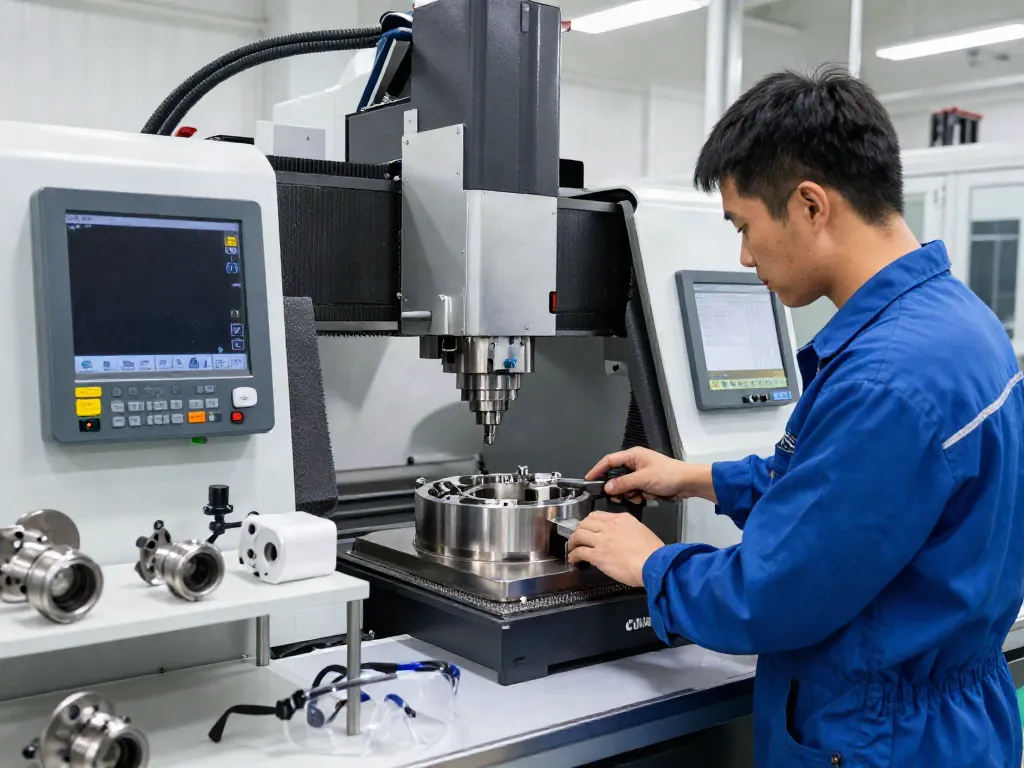
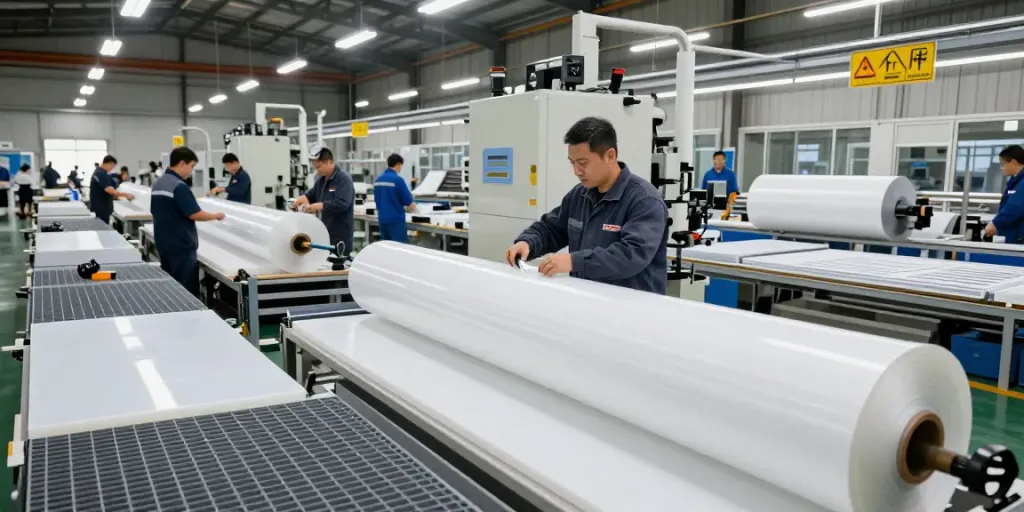
The manufacturing of GRP involves several techniques, including hand lay-up, spray-up, and filament winding. Each technique provides different advantages depending on the intended application:
- Hand Lay-Up: This traditional method allows for great flexibility in design but can be labor-intensive. It is perfect for custom and small batch productions.
- Spray-Up: This technique uses a spray gun to apply resin and glass fibers simultaneously. It's faster than hand lay-up and suitable for larger components.
- Filament Winding: Best for producing high-strength cylindrical parts, this method involves winding resin-soaked glass fibers around a mandrel.
Material Selection for Optimal Performance
Choosing the right materials is critical for performance. GRP products commonly utilize a variety of resins, such as unsaturated polyester, epoxy, or vinyl ester, depending on the environmental conditions and mechanical properties required. Furthermore, the type and ratio of glass fibers used can significantly influence the product's strength and durability.
Advantages of GRP Products Over Traditional Materials
Investing in GRP materials offers distinct advantages when compared to traditional materials like steel and aluminum. Understanding these benefits is essential for industries looking to optimize their operations.
Weight-to-Strength Ratio: The GRP Advantage
One of the most significant advantages of GRP is its weight-to-strength ratio. GRP products are typically up to 70% lighter than steel, which translates to lower transportation costs and easier handling. This feature makes GRP an ideal choice for applications where weight is a crucial factor, such as in the aerospace and automotive sectors.
Corrosion Resistance and Longevity
Unlike metals, GRP is inherently resistant to corrosion, making it a viable option for environments that are exposed to moisture, chemicals, and UV radiation. This durability often leads to a service life exceeding 50 years, significantly reducing the need for frequent replacements and maintenance.
Sustainability and Environmental Concerns
With increasing concerns over environmental impact, GRP presents a sustainable alternative to traditional materials. The production of GRP generates fewer carbon emissions compared to steel manufacturing, as it uses less energy and can be recycled at the end of its life cycle.
Quality Assurance in GRP Production
Ensuring the highest quality in GRP production is paramount. Engineered Composites adheres to strict quality standards to provide its clients with products that meet industry regulations and performance expectations.
Standards and Certifications: Compliance Matters
All GRP products must comply with various British and international standards, including BS EN 13706 for structural performance. Compliance not only guarantees safety but also enhances the marketability of GRP products in various sectors.
Testing Procedures for Ensuring Strength
Quality testing procedures include assessments for tensile strength, impact resistance, and fire ratings. These tests are crucial to verify the suitability of GRP products for critical applications, particularly in construction and infrastructure projects.
Role of ISO 9001 in Quality Management
Engineered Composites operates under an ISO 9001-certified quality management system. This certification demonstrates our commitment to quality and ensures continuous improvement through rigorous internal processes and customer feedback.
Industry Applications of GRP Products
GRP products find extensive use across numerous industries, providing tailored solutions for specific challenges.
GRP Solutions in Construction and Infrastructure
In the construction sector, GRP is utilized for flooring, gratings, and protective barriers. Its lightweight nature reduces structural support requirements, making it a preferred choice for modern architecture.
Marine Applications and Utility Installations
GRP's resistance to corrosion and marine growth makes it ideal for use in shipbuilding and offshore structures. Its applications extend to utility installations, ensuring longevity and reliability in harsh environments.
Innovative Uses in the Telecommunications Sector
With the growing demand for telecommunications infrastructure, GRP is increasingly used for protective enclosures and structural supports. Its non-conductive properties are especially valuable in electrical applications, minimizing the risk of short circuits and enhancing safety.
Future Trends in the GRP Industry for 2026 and Beyond
The GRP industry is poised for significant advancements, driven by technological innovation and changing market needs.
Emerging Technologies in GRP Manufacturing
New manufacturing technologies, including automated pultrusion and 3D printing, are beginning to transform how GRP products are made. These advancements promise increased efficiency and customization options, appealing to a broader range of industries.
Market Growth and Predictions
The market for GRP products is expected to grow significantly in the coming years, fueled by ongoing investments in infrastructure, renewable energy projects, and transportation systems. This growth reflects the material's increasing recognition as a sustainable alternative.
Adapting to Regulatory Changes and Sustainability Goals
As regulations around sustainability tighten, GRP manufacturers must adapt by implementing eco-friendly practices and developing products that comply with emerging standards. This proactive approach will ensure continued market relevance and competitiveness.
How can I request a GRP quotation?
Requesting a quotation for GRP products is straightforward. Interested clients can reach out directly to Engineered Composites through our website or contact our sales team for specialized assistance.
Is GRP suitable for outdoor use?
Yes, GRP is extensively used in outdoor applications due to its exceptional resistance to weather conditions, UV exposure, and chemical degradation. Products like GRP walkways and handrails are particularly designed to withstand outdoor elements.
What are the maintenance needs of GRP products?
GRP products require minimal maintenance. Regular cleaning with mild detergents is typically sufficient to maintain their appearance and performance, making them a cost-effective solution for property owners.
Does GRP meet building regulations in the UK?
Absolutely. GRP products supplied by Engineered Composites adhere to all relevant UK building regulations, ensuring compliance for safety and operational standards.
What are the fire ratings for GRP materials?
GRP products are manufactured using fire-retardant resins that achieve Class 2 fire ratings under BS 476 Part 7. This fire safety compliance is crucial for applications in public and industrial environments.