Understanding Water Reclaim Systems
As global water scarcity becomes an increasing concern, innovative solutions like reclaimed water systems are gaining traction in various sectors. These systems provide a sustainable way to recycle wastewater for a multitude of applications, ultimately helping to conserve our precious water resources.
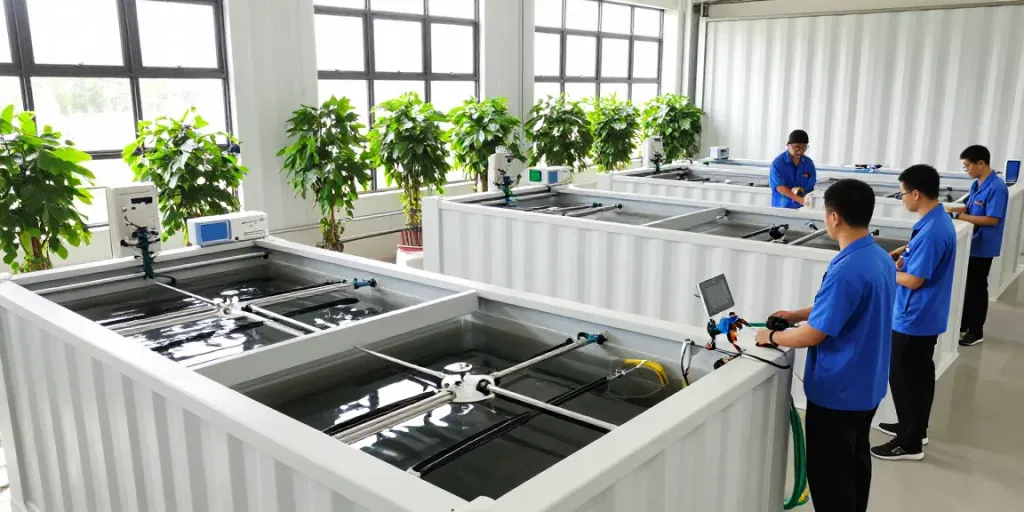
Containerized reclaimed water systems represent a streamlined approach in this landscape, integrating advanced technologies to convert wastewater into high-quality reusable water. For those looking to enhance their sustainability efforts without extensive infrastructure investments, a Water Reclaim System offers a compelling solution.
What is a Water Reclaim System?
A water reclaim system is designed to treat wastewater—be it industrial effluent, greywater, or stormwater—and convert it into water that can be reused for non-potable purposes, such as irrigation, industrial processes, or even toilet flushing. Unlike traditional water supply methods, which rely on sourcing fresh water, reclaimed water systems recirculate existing water, significantly reducing the demand on municipal water supplies.
Importance of Water Recycling for Sustainability
Water recycling is crucial for sustainability, particularly in regions facing water shortages. By reusing water, we can mitigate the impact of droughts and preserve natural water bodies. Furthermore, the implementation of reclaimed water systems can lead to substantial operational cost savings and improved resource management across various industries, from agriculture to manufacturing.
Key Components of Effective Water Reclaim Systems
- Membrane Bioreactors (MBR): These combine biological treatment with membrane filtration, providing high-quality effluent that is free of solids and pathogens.
- Ultrafiltration (UF): A physical separation process that removes bacteria, viruses, and other suspended solids, contributing to water purity.
- Reverse Osmosis (RO): A process that uses a semipermeable membrane to remove ions and larger molecules from water, ensuring its quality meets stringent standards for reuse.
Advantages of Containerized Solutions
Containerized reclaimed water systems offer numerous benefits, making them an attractive option for both municipal and industrial applications. These compact systems are pre-engineered for easy deployment, allowing facilities to implement water recycling initiatives quickly and efficiently.
Benefits of Modular Water Reclaim Systems
- Scalability: Modular systems can be expanded or reduced in size based on demand, making them highly adaptable.
- Rapid Deployment: Containerized solutions can be set up in remote or challenging locations without the need for extensive infrastructure.
- Cost Efficiency: By reducing reliance on fresh water sources, organizations can significantly lower their water and sewer costs.
Efficiency in Remote and Urban Applications
Containerized reclaimed water systems are particularly valuable in both urban and remote settings. In urban areas, these systems can alleviate pressure on local water supplies, while in remote locations, they provide essential water recycling without the need for permanent installations.
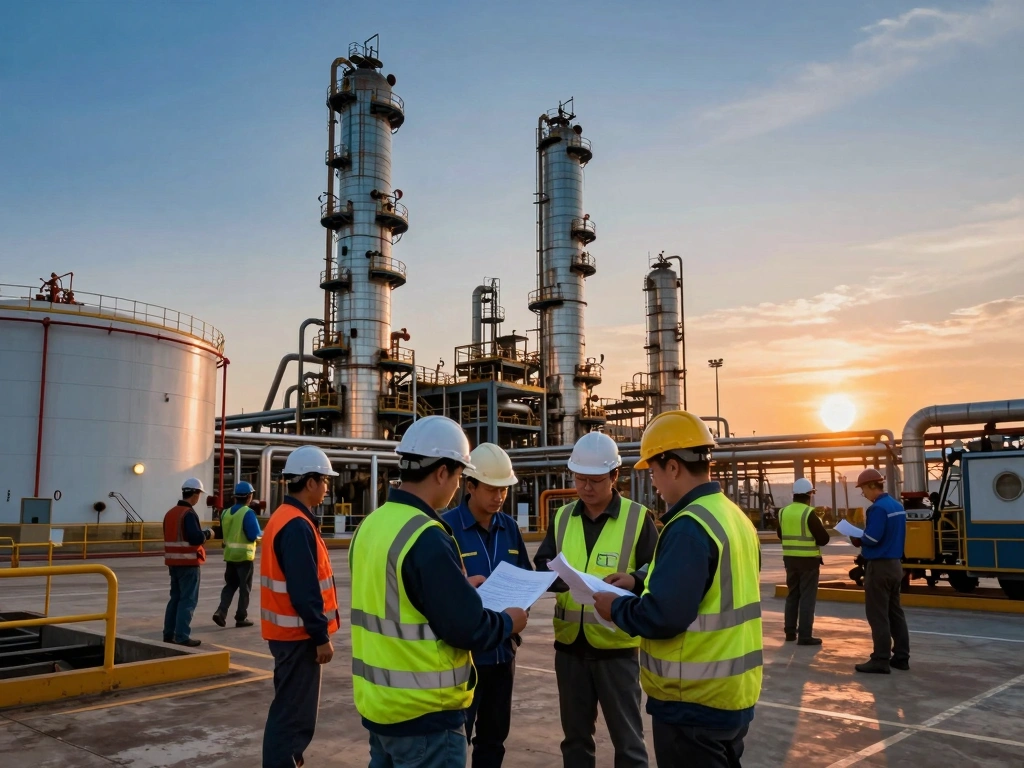
For example, oil and gas companies operating in isolated regions can utilize these systems to reuse water for hydraulic fracturing, reducing their environmental footprint and operational costs.
Cost-Effectiveness in Water Management
Investing in a water reclaim system can yield significant long-term savings. Organizations often see a reduction of up to 50% in water costs when implementing reclaimed water solutions. Moreover, these systems often qualify for government incentives aimed at promoting sustainable practices, further enhancing their financial viability.
Common Challenges and Misconceptions
While the benefits of reclaimed water systems are clear, there are common misconceptions and challenges that can hinder their adoption.
Debunking Myths About Reclaimed Water
One prevalent myth is that reclaimed water is unsafe. In reality, modern treatment technologies ensure reclaimed water meets or exceeds safety standards for its intended uses. Additionally, another misconception is that treated water cannot be reused in high-demand applications; however, with advanced treatment technologies, this is no longer the case.
Typical Issues in Implementation
Challenges may arise during the integration of reclaimed water systems, such as regulatory hurdles, public perception, and the initial capital investment. Effective stakeholder engagement and education can play a pivotal role in overcoming these barriers.
Regulatory Challenges in Different Regions
The regulatory landscape surrounding reclaimed water use varies significantly by region, with some areas having strict guidelines that can complicate implementation. Stakeholders should familiarize themselves with local regulations to streamline the process and ensure compliance.
Best Practices for Successful Implementation
Successfully deploying a reclaimed water system requires strategic planning and execution. Here are some best practices to consider:
Choosing the Right System for Your Needs
Selecting a system that aligns with your specific water reuse goals is paramount. Consider factors such as water quality requirements, space availability, and operational capacity when determining the best fit for your organization.
Hosting Workshops for Stakeholder Engagement
Engaging with stakeholders through workshops can foster understanding and support for water reclamation initiatives. These forums can address concerns, educate on benefits, and discuss the operational intricacies of the systems involved.
Monitoring and Maintenance of Reclaim Systems
Regular monitoring and maintenance are essential for ensuring optimal performance. Implement a schedule for inspections and routine maintenance to address any issues before they escalate and ensure your system remains compliant with regulatory standards.
Future Trends in Water Reclamation Technologies
The future of water reclamation technology is promising, with ongoing research leading to innovative solutions that enhance efficiency and effectiveness.
Innovations Expected by 2026
By 2026, advancements in artificial intelligence and machine learning are anticipated to streamline operations and improve decision-making in water management. These technologies can analyze real-time data to optimize treatment processes and predict maintenance needs, ultimately enhancing system reliability.
Emerging Technologies in Water Reclaim Systems
Emerging technologies such as decentralized treatment units and advanced biofiltration methods are expected to improve the quality of reclaimed water. Mobile systems designed for temporary usage in events or construction sites are also likely to become more prevalent.
Global Policy Changes Affecting Water Management
As awareness of water scarcity issues increases, global policies are shifting toward more sustainable practices. This shift is likely to result in more favorable regulations and incentives for companies that invest in reclaimed water systems, driving adoption across various sectors.